
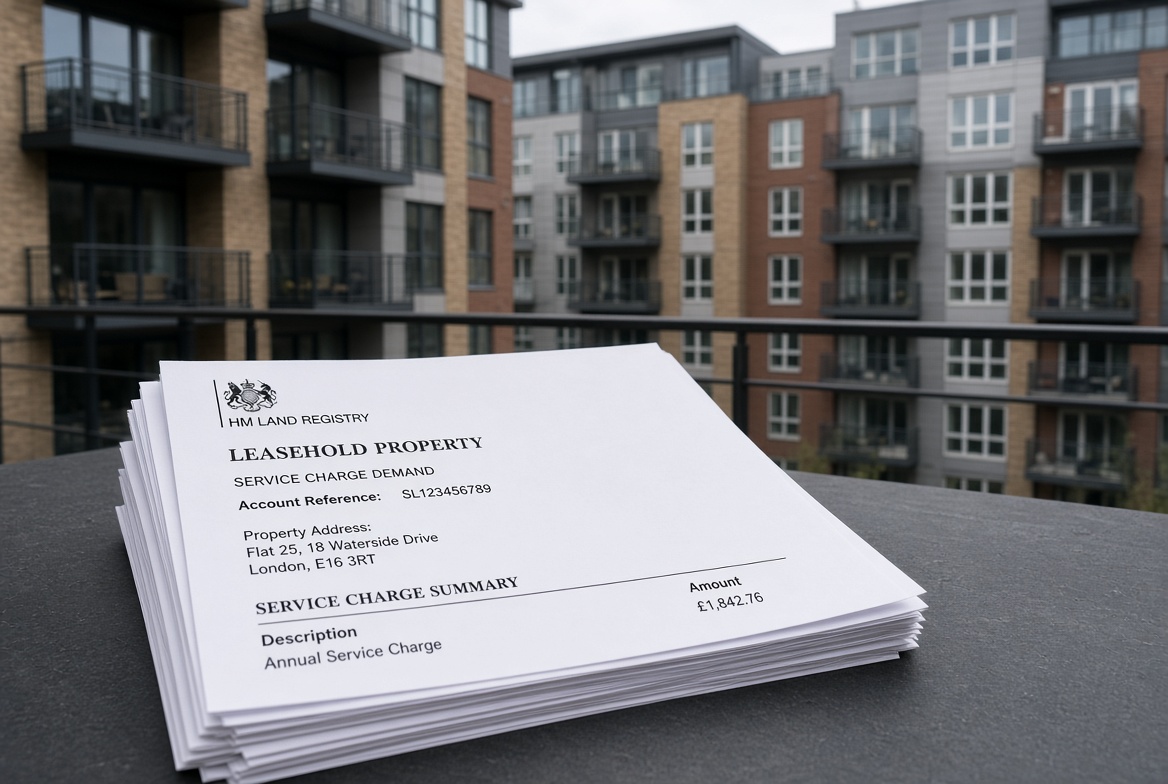
Millions of leaseholders in England are set to gain stronger rights to question rising service charges, demand clearer information about how their money is being spent and challenge costs they believe are unfair.
The government has announced a series of reforms designed to give more than three million leaseholders greater control over the charges they pay to maintain, manage, repair and insure their buildings. The changes will also make it harder for landlords to use the threat of legal bills to discourage residents from challenging disputed costs.
The first major protections are scheduled to come into force on 1 April 2027. From that date, leaseholders will have stronger rights to request information about service charges and the management of their buildings, including information relating to previous years. Landlords will be expected to provide the requested information unless they have a valid reason not to.
The changes are intended to address a longstanding concern among flat owners who can face substantial bills without always receiving a clear explanation of what the money covers. For households already dealing with mortgage payments, energy bills and other living costs, unexpected service charge increases can put additional pressure on family finances.
The government says the reforms will help leaseholders understand what they are paying for and give them a fairer opportunity to question charges they consider unreasonable.
Leaseholders will have greater access to information about service charges
One of the most significant changes will be the stronger right to request information about the costs associated with running and maintaining a residential building.
Service charges can cover a wide range of expenses, including cleaning, repairs, maintenance, building insurance, communal electricity, gardening and management fees. Depending on the building and the terms of the lease, these costs can change over time, sometimes leaving residents facing bills they struggle to understand.
From April 2027, leaseholders will have stronger powers to request relevant information about service charges and how their building is managed, maintained, repaired and insured. This should make it easier to examine the reasons behind particular charges and identify costs that may need further explanation.
The ability to request information from previous years could also help residents investigate long-running disputes or question patterns of spending. For people who have repeatedly asked managing agents or landlords for explanations, the new requirements are intended to provide a stronger basis for obtaining answers.
However, greater access to information does not mean every disputed charge will automatically be cancelled. Leaseholders will still need to examine the details of their leases, understand the relevant rules and use the appropriate legal or tribunal processes where disagreements cannot be resolved.
New protection against landlords passing on legal costs
The government is also changing the rules governing legal expenses when leaseholders challenge their landlords.
Under the existing system, leaseholders can face the risk of being charged their landlord’s legal costs through service or administration charges, even when they dispute the charges or bring a case to challenge the way their building is managed. The possibility of receiving another substantial bill can discourage residents from pursuing complaints.
From 1 April 2027, landlords will generally need approval from a court or tribunal before recovering their litigation costs from leaseholders through service or administration charges. There will be some exceptions, including provisions for certain lower-value costs, so the protection will not operate as an absolute ban in every situation.
Leaseholders will also gain a new right to ask a court or tribunal to order their landlord to pay some or all of their own legal costs in qualifying disputes.
The intention is to make the process fairer by reducing the financial pressure that can prevent residents from challenging charges they believe are unreasonable. It could be particularly important for people who have felt unable to question a landlord because they feared the cost of losing a legal dispute would be too high.
The new legal-cost rules will not apply retrospectively to proceedings issued before 1 April 2027. Leaseholders involved in an existing dispute should therefore avoid assuming that the new protections automatically cover their case.
More detailed service charge information from November 2027
Further changes will follow on 1 November 2027, when leaseholders will receive clearer and more standardised information about the charges they are being asked to pay.
The new requirements will cover buildings owned by private landlords, councils and housing associations, although some reporting requirements will be introduced at different times depending on the type of landlord.
Leaseholders will receive more detailed information about building insurance, including the cover arranged for their property, the associated costs and how the insurance was obtained. The reforms will also introduce stronger controls on what landlords and managing agents can charge for arranging and managing building insurance.
The government intends to prevent excessive insurance-related commissions from being passed on to leaseholders. Commission-sharing with landlords and managing agents will be prohibited, with transparent permitted payments replacing those arrangements. The aim is to make it easier for residents to understand what they are paying for and reduce the risk of hidden costs being added to insurance bills.
Information about administration charges will also become clearer. These can include fees for services such as providing documents, dealing with certain requests or administering particular aspects of a lease. Standardised information should help residents understand the fees they may face and how they are calculated.
Private landlords will face additional reporting requirements from November 2027. They will have to use standardised service charge demand forms and provide financial accounts and annual reports, giving leaseholders a clearer picture of how their money is being collected and spent.
Councils and housing associations have until November 2028
Leaseholders whose properties are managed by councils and housing associations will also benefit from the new protections, but some of the reporting requirements will take effect later.
From 1 November 2028, social landlords will be required to provide the new standardised service charge demands, financial accounts and annual reports.
The government says the additional year will give councils and housing associations time to adjust their accounting and service charge systems. The different timetable reflects the practical work involved in preparing organisations to meet the new reporting requirements.
This distinction matters because leaseholders in privately managed buildings and those living in council or housing association properties will not receive every part of the new reporting system at exactly the same time.
Wider reforms could change how flats are owned in England
The new protections form part of a wider programme to reform the leasehold system, which has long been criticised for giving freeholders and managing agents significant control over the costs and management of buildings.
The measures bring key provisions of the Leasehold and Freehold Reform Act 2024 into effect. The government is also preparing a Commonhold and Leasehold Reform Bill, which it intends to introduce in Parliament before Christmas 2026.
One of the central proposals is to make a revised commonhold model the default form of ownership for most new flats. Under commonhold, flat owners have ownership of their individual properties and a greater role in managing the shared parts of their building, rather than relying on a separate freeholder to control the development.
The proposed legislation is also intended to make it easier for existing leaseholders to move to commonhold, cap existing ground rents at £250 and replace the current forfeiture system with a fairer enforcement regime.
These proposals represent a more fundamental attempt to change the relationship between flat owners and those who control their buildings. However, the Commonhold and Leasehold Reform Bill is separate from the service charge measures being introduced under the 2024 Act, and its proposals should not be treated as law before Parliament has considered and approved the legislation.
What leaseholders should do before the changes take effect
Although the new protections are approaching, leaseholders should continue to use the rights already available to them rather than waiting until 2027 to question a charge.
Anyone who receives a service charge bill they do not understand can ask their landlord or managing agent for a breakdown and supporting information. Residents should keep copies of bills, correspondence, receipts and any explanations they receive, particularly where costs have increased significantly or appear inconsistent with previous charges.
Where a dispute cannot be resolved directly, leaseholders can seek guidance from the Leasehold Advisory Service and explore the appropriate routes for challenging service charges through the relevant tribunal.
The government is introducing the reforms in stages to give landlords and managing agents time to prepare their systems. The first changes are expected in April 2027, followed by further requirements in November 2027 and November 2028.
For millions of flat owners, the real test will be whether these measures translate into clearer bills, fewer unexplained costs and a genuinely fairer way to challenge decisions affecting their homes.
What the leasehold reforms mean for Nigerians and other diaspora homeowners
For Nigerians living in England who own leasehold flats, these changes could have a direct impact on the cost of maintaining a property that may represent years of savings, mortgage commitments and financial sacrifice. Some diaspora homeowners bought flats as a long-term investment, while others purchased a home for their families or as a way to establish greater financial security in the UK. Rising service charges, unclear building insurance costs and disputes with managing agents can place pressure on those plans, particularly when owners are also supporting relatives or meeting financial responsibilities in Nigeria.
The reforms are especially relevant to Nigerians who own properties but spend extended periods outside the UK. When a leaseholder is abroad, it can be harder to attend residents’ meetings, monitor building maintenance or challenge unexpected charges quickly. Having stronger rights to request information could make it easier to scrutinise how a property is being managed, even when the owner cannot regularly visit the building. However, owners should ensure that their contact details with landlords and managing agents are up to date and that they have someone they trust to help deal with urgent property matters when necessary.
For Nigerian families considering buying a flat in England, the announcement is also a reminder that the purchase price and mortgage are not the only costs to examine. Service charges, ground rent, building insurance arrangements, lease conditions and the financial health of a building’s management should all form part of the decision before committing to a purchase. The proposed reforms may improve transparency, but they do not remove the need to understand the responsibilities that come with leasehold ownership.
At Chijos News, we will continue to follow the changes as they move towards implementation, particularly the April 2027 protections and the wider plans to replace leasehold with a stronger commonhold system. For diaspora homeowners, knowing what a landlord can charge, what information they can demand and how to challenge unreasonable costs is an important part of protecting the value of a home built through hard work and long-term financial commitment.