
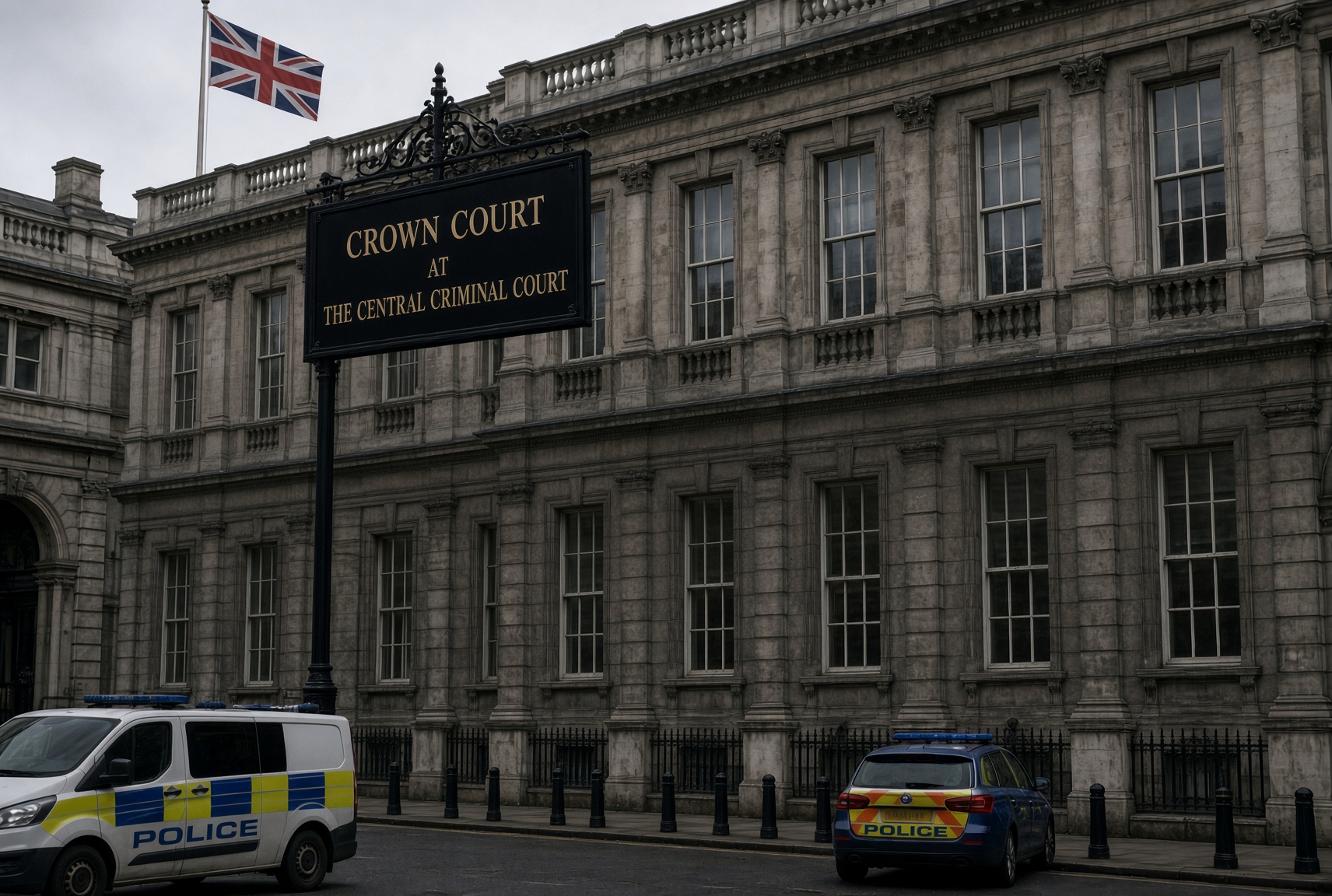
Three men convicted of repeatedly raping a vulnerable 14-year-old girl after she went missing from home have been handed longer prison sentences following an intervention by the Attorney General.
Daryl German, 43, Jordan Doneley Wint, 31, and Deon Smith, 45, all from Lewisham in south-east London, will now spend additional time in prison after the Court of Appeal ruled that their original sentences were too lenient.
The decision was made on 12 November 2026 after Attorney General Ellie Reeves KC MP referred the cases to the Court of Appeal under the Unduly Lenient Sentence scheme. German’s sentence was increased by three years, Wint’s by two years and six months, and Smith’s by two years.
The case involved the repeated sexual abuse of a vulnerable child over a period of approximately 48 hours. The court heard that German found the girl after she had gone missing from home and took her to his flat in Lewisham. He subsequently arranged for her to be taken to other addresses, where she was raped repeatedly by all three men.
After seeing social media appeals posted by the girl’s parents asking for information about their missing daughter, German realised she was a child who had been reported missing. Rather than returning her to safety, he instructed her to contact her parents and tell them she was alright. He also told her to ask them to remove the missing-person appeals.
A police investigation eventually located the girl and led to the arrest of all three men. During German’s arrest, officers found 14 indecent images of the victim on his mobile phone.
The case was prosecuted by the Crown Prosecution Service, which said the offences took place in June 2025 after the young girl had run away from home. The prosecution also highlighted the victim’s vulnerability and the serious nature of the abuse she experienced.
Court increases prison sentences for all three men
The three men were initially sentenced at Woolwich Crown Court on 10 April 2026, following their convictions for serious sexual offences.
German received 15 years in prison, with an extended licence period of three years. His convictions included three counts of rape, one count of arranging or facilitating another person’s travel with a view to exploitation, and two counts of making indecent images of children.
Wint was sentenced to six years in prison after being convicted of rape and assault by penetration. Smith received seven years for one count of rape.
However, the Attorney General considered the sentences unduly lenient and referred them to the Court of Appeal for review. Following the hearing on 12 November, the court increased German’s prison term from 15 to 18 years, while retaining his three-year extended licence period. Wint’s sentence rose from six years to eight years and six months, and Smith’s increased from seven to nine years.
The increases mean all three men will spend longer in prison for their roles in the offences against the child.
Attorney General welcomes the Court of Appeal decision
Attorney General Ellie Reeves said the case involved an appalling series of rapes and sexual assaults carried out over several days against a vulnerable child who should have been protected and returned to her family.
She expressed sympathy for the victim and welcomed the Court of Appeal’s decision to increase the sentences, saying the outcome would ensure the three men spend longer in prison.
The Unduly Lenient Sentence scheme allows the Attorney General to ask the Court of Appeal to review certain sentences where there is concern that the punishment imposed may be too low. It applies to specified serious offences and gives the court the power to increase a sentence if it concludes that the original punishment was unduly lenient.
The scheme does not automatically guarantee a longer sentence. The Court of Appeal considers the circumstances of the case and decides whether the original sentence should be changed.
The importance of protecting vulnerable children
The case highlights the risks faced by vulnerable children who go missing from home and the importance of responding quickly when families raise concerns about their whereabouts. It also underlines how social media appeals can help circulate information, but that locating a missing child must be followed by appropriate safeguarding and support.
For families, reporting a child missing and sharing verified information with the police can be important steps in securing help. Anyone who believes a child is at immediate risk should contact the police, while concerns about child abuse or exploitation should be reported to the relevant safeguarding authorities.
The increased sentences bring a further stage of the criminal proceedings to a close, but the impact of such abuse can continue long after a court case has ended. The victim’s privacy and access to appropriate support remain essential.
What this case means for Nigerian families and the wider UK diaspora
For Nigerian families living in the UK, this case is a sobering reminder that child safeguarding must remain a priority, including when young people experience family conflict, run away from home or become difficult to contact. Parents and guardians may find it particularly frightening when a child disappears, especially if they have limited knowledge of local safeguarding services or are unsure where to turn for urgent help.
Families should know that a child reported missing can be at risk even when they appear to be communicating with someone or sending messages saying they are safe. In this case, the court heard that the victim was instructed to reassure her parents and ask them to remove their appeals, despite the serious abuse taking place. A reassuring phone call or social media message should therefore not automatically end concerns if a child’s whereabouts and safety have not been independently established.
The case also carries an important message for Nigerian community organisations, churches, youth groups and families supporting children in the UK. Safeguarding should involve listening to young people, taking disclosures seriously and knowing how to contact police and local children’s services. Cultural expectations, fear of embarrassment or concerns about family reputation must never prevent a child from receiving protection.
At Chijos News, we believe that keeping diaspora families informed also means covering the difficult issues that affect the safety of children growing up in Britain. For parents raising children between Nigerian family traditions and the realities of UK life, knowing how the safeguarding system works, where to report concerns and when to seek urgent help can make a real difference. A missing child must be treated as a safeguarding concern, and their safety must always come before appearances or family embarrassment.