
For Nigerians and Africans living in the UK, stories about the environment may not always feel immediate, but they shape the world you’re building a life in. From the parks your children play in to the countryside you visit on weekends, nature is part of the everyday British experience. At Chijos News, we connect these policy changes to real life, helping diaspora communities understand how decisions about wildlife, climate, and conservation affect the country you now call home.
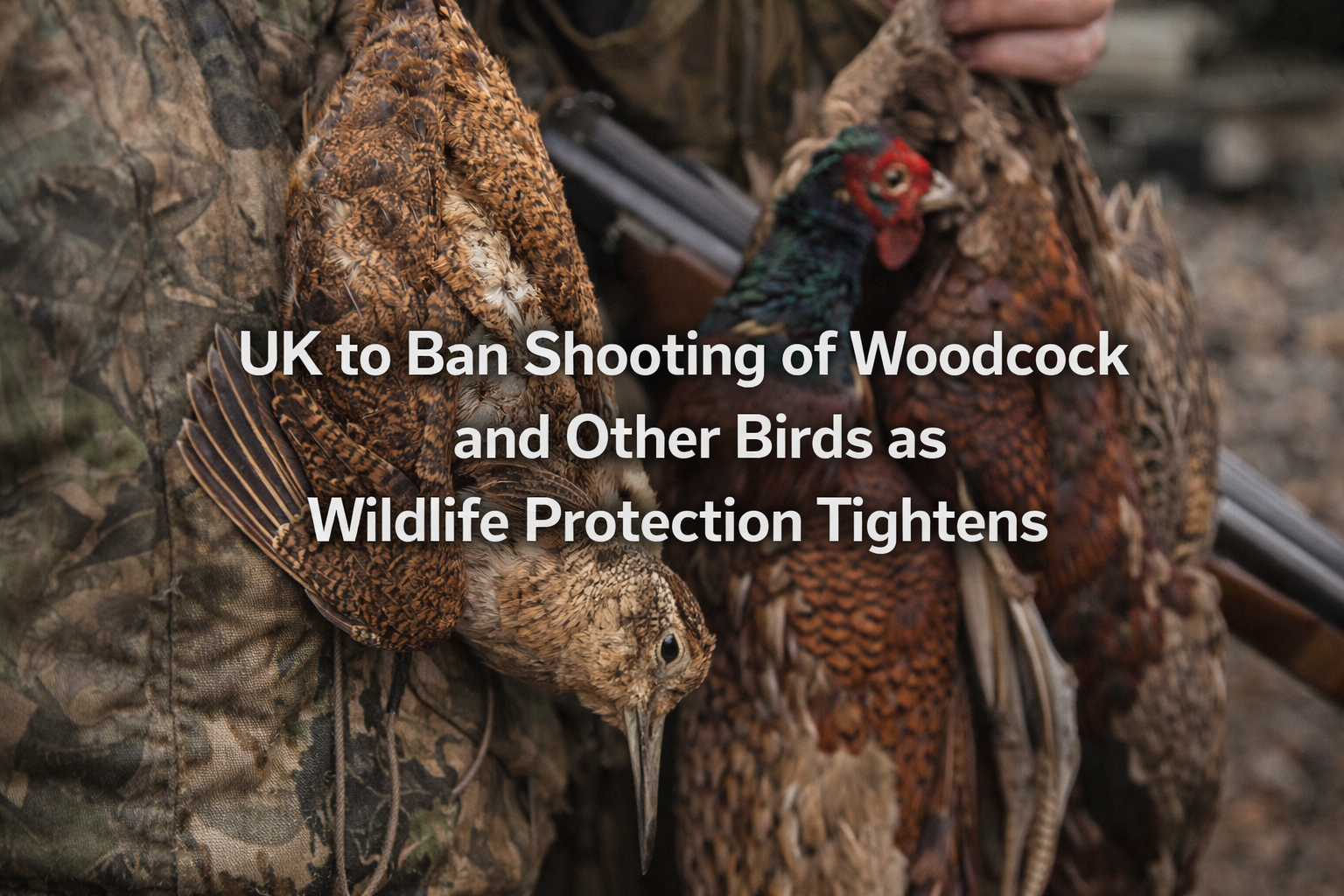
Six of Britain’s most recognisable wild bird species could soon receive stronger protection under new proposals from the UK government, alongside officials in Scotland and Wales.
At the centre of the plans is a shift in how certain birds are treated under the law, particularly those whose populations have fallen sharply in recent years. Species such as the woodcock, pintail, goldeneye and pochard are all under threat, with some native populations now reduced to worrying levels.
For the European white-fronted goose, the proposal goes even further. Recreational shooting of this species could be completely banned, reflecting growing concern about its long-term survival.
These birds are not just part of the countryside, they are part of Britain’s identity.
The woodcock, for example, has long captured public imagination with its shy behaviour and distinctive appearance, often referenced in literature and rural storytelling. The pochard, a diving duck commonly seen on lakes during winter, is another familiar presence that many people may not realise is now in decline.
For diaspora communities, especially those adjusting to life in the UK, these may seem like distant environmental issues. But they reflect something deeper about the country, how seriously it takes conservation, animal welfare, and the preservation of natural heritage.
In practical terms, the proposals aim to restrict or remove the ability to shoot these birds during certain periods, particularly breeding seasons when they are most vulnerable. By doing this, governments hope to give populations the chance to recover.
The decline has been significant. Some of these species are now listed on the International Union for Conservation of Nature Red List, a global indicator of how close species are to extinction.
This is not just about protecting birds, it’s about protecting ecosystems.
Birds like the woodcock and pochard are often seen as indicators of environmental health. When their numbers fall, it can signal wider problems, from habitat loss to changes in climate and land use.
The proposals also include potential changes affecting other species. For example, the woodpigeon, a familiar sight in cities and countryside alike, could be brought under stricter seasonal controls, particularly during breeding periods, to improve animal welfare standards.
Across England, Scotland, and Wales, there is a coordinated effort to ensure that conservation policies are based on scientific evidence while still balancing the realities of land management and agriculture.
This collaborative approach reflects a broader environmental push following recent government plans to improve biodiversity and reverse nature decline across the UK.
For many people in the diaspora, especially those raising families in Britain, this is part of a bigger picture.
It’s about the kind of environment your children will grow up in.
The wildlife they will see or not see.
The balance between human activity and nature.
You might not notice these birds every day. But they are there in forests, wetlands, and quiet corners of the countryside, forming part of the landscape that makes the UK what it is.
And when their numbers fall, it raises an important question about what is being lost.
The proposed changes are now open for consultation, meaning there is still room for input before any final decisions are made. But the direction is clear: stronger protections, tighter controls, and a growing recognition that some species need urgent help.
For a country often defined by its green spaces and natural beauty, this is about preserving more than wildlife.
It’s about preserving identity.
And for those building a life here from abroad, it’s another reminder that understanding the system—whether immigration, economy, or environment helps you feel more rooted in the place you now call home.

