
Football remains one of the strongest cultural connections for diaspora communities around the world. From London to Lagos, major international fixtures bring fans together in homes, pubs and community centres to celebrate the global game.
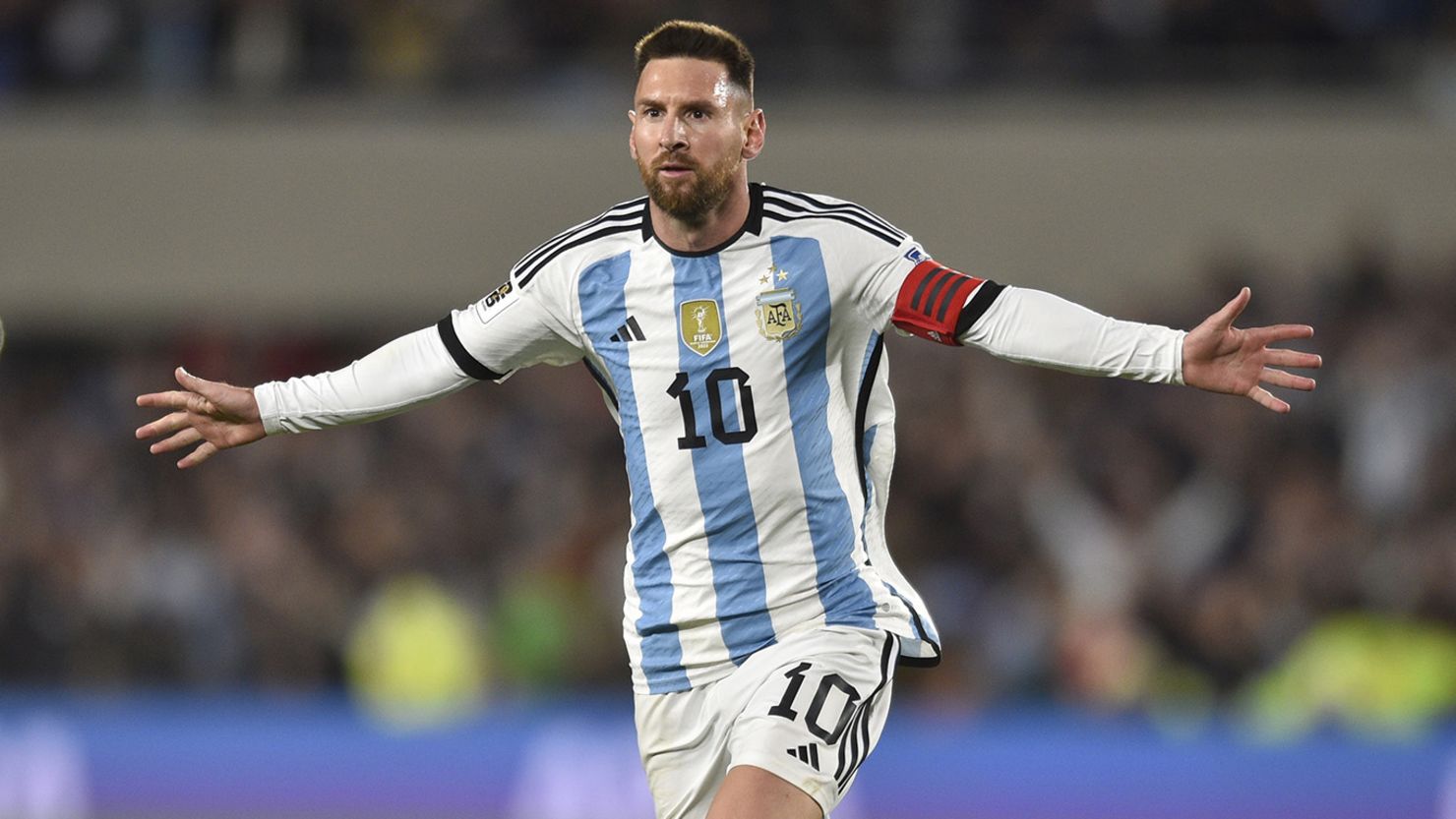
For many migrants living in the United Kingdom, matches involving Europe’s top teams and global stars such as Lionel Messi are moments that unite communities across cultures. However, global politics and security tensions can sometimes reach far beyond government corridors, impacting travel, entertainment and even international sport.
The latest example comes as geopolitical tensions in the Middle East continue to disrupt international travel and major events. A highly anticipated football showdown between European and South American champions has now been cancelled, disappointing millions of fans around the world.
At Chijos News, we report on global developments that affect diaspora audiences in the UK and beyond, from international politics to sport and culture. The cancellation of the Finalissima match between Spain and Argentina highlights how global conflicts can ripple into unexpected areas of public life.
The highly anticipated Finalissima clash between Spain national football team and Argentina national football team has been cancelled due to escalating tensions in the Middle East, according to a statement from UEFA.
The match, which was scheduled to take place on March 27 at Lusail Stadium, would have seen European champions Spain face Copa América winners Argentina in a prestigious intercontinental showdown.
Football fans had been particularly excited about the prospect of watching global superstar Lionel Messi face Spain’s teenage sensation Lamine Yamal in what promised to be a memorable encounter.
However, organisers said the current security situation in the region made it impossible for the event to proceed as planned.
The decision follows the recent escalation in tensions linked to the Iran–Israel conflict escalation, which has disrupted travel routes and affected major transport hubs across the Gulf region.
Flights and logistics have been impacted in several countries, forcing organisers to reconsider hosting major international events due to safety concerns.
UEFA confirmed that it had held extensive discussions with organisers in Qatar before deciding that the match could not go ahead under the current circumstances.
In its statement, the European football governing body expressed disappointment that both teams would miss the opportunity to compete for the prestigious intercontinental trophy.
The Finalissima is a special match played between the champions of the European Championship and the Copa América, bringing together the best teams from Europe and South America.
The most recent edition of the tournament took place in 2022 at Wembley Stadium, where Argentina defeated Italy national football team 3–0 in front of a packed crowd.
In an attempt to save the 2026 fixture, UEFA explored several alternative options for hosting the match.
One proposal suggested moving the game to Santiago Bernabéu Stadium with an equal allocation of supporters from both teams.
Another plan considered staging the Finalissima across two legs, with the first match played in Madrid and the second in Buenos Aires during a future international window.
However, the Argentine Football Association rejected both proposals.
UEFA also suggested staging the match at another neutral venue in Europe on either March 27 or March 30, but this option was also declined by Argentina.
Ultimately, scheduling conflicts and security concerns meant no workable compromise could be reached.
The disruption has also affected other international fixtures planned during the same international window.
The Serbia national football team had originally planned to travel to Doha for friendlies against Qatar and Saudi Arabia. Instead, Serbia will now face Spain away from home on March 27 and then host Saudi Arabia national football team four days later.
For football supporters around the world, including diaspora fans who closely follow international tournaments, the cancellation represents a major disappointment.
The match was expected to attract millions of viewers globally and provide one of the most exciting international clashes of the year.
While organisers have not confirmed whether the fixture will be rescheduled, fans will now have to wait for another opportunity to see Europe’s champions face South America’s best in the Finalissima.

