
For Africans in the UK and across the diaspora, football is more than just a game, it’s identity, pride, and a powerful connection to home. At Chijos News, we go beyond the headlines to unpack the stories shaping African sport and governance, helping diaspora audiences understand what these developments mean for the continent’s global image and its passionate supporters worldwide.
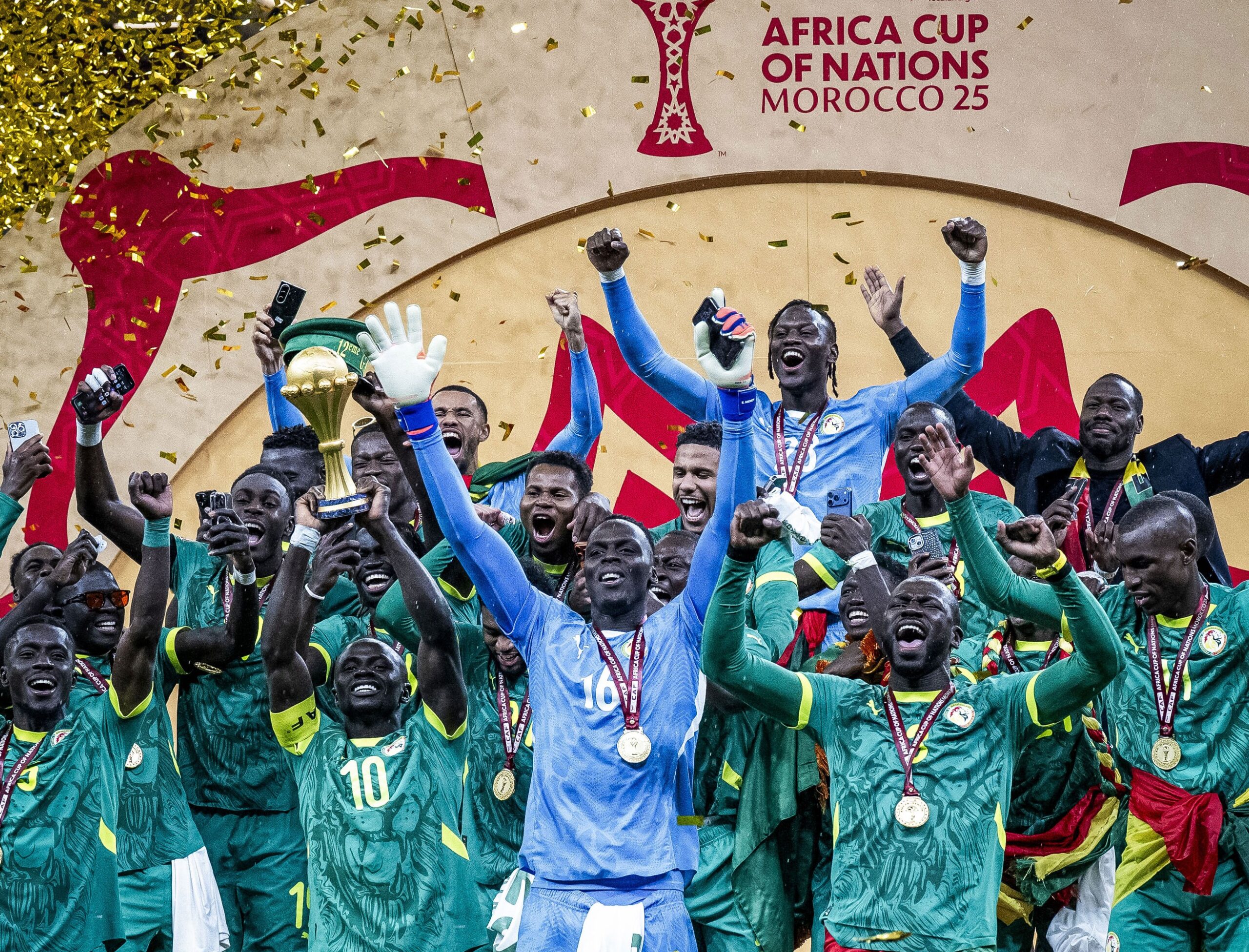
A major controversy has erupted in African football after Senegal was officially stripped of its 2025 Africa Cup of Nations title, prompting the government to demand an international investigation into alleged corruption within Confederation of African Football.
The decision, delivered by CAF’s appeals board, has overturned what was initially a dramatic 1-0 extra-time victory for Senegal in the January final. Instead, the match has now been ruled as forfeited after Senegalese players walked off the pitch during stoppage time in protest, resulting in a 3-0 default win being awarded to hosts Morocco.
The ruling has triggered outrage in Dakar, with the Senegalese government describing the decision as “grossly illegal and profoundly unjust.” Authorities have gone a step further by calling for an independent international investigation into what they believe could be signs of corruption within CAF’s leadership.
So far, CAF has not publicly responded to the allegations, leaving tensions to escalate between football authorities and national stakeholders.
The Senegalese Football Federation has also strongly rejected the verdict, labelling it unprecedented and unacceptable. The federation confirmed it will challenge the decision at the Court of Arbitration for Sport in Lausanne, signalling that the legal battle is far from over.
On the other side, Royal Moroccan Football Federation has welcomed the outcome, maintaining that the ruling reinforces the importance of respecting competition regulations. Moroccan officials stressed that their position was never about disputing Senegal’s performance on the pitch, but about ensuring that the rules governing international football were properly applied.
At the heart of the dispute is the controversial moment that led to the match being interrupted, ultimately sparking Senegal’s decision to walk off in protest. While details around the incident remain a subject of intense debate, the fallout has now moved beyond sport into politics and governance.
For many across the African diaspora, particularly in countries like the UK where football remains a strong cultural bridge to the continent, the situation has raised serious questions about transparency, fairness, and accountability in African football administration. AFCON is not just a tournament—it is a symbol of unity and excellence across Africa, and controversies of this scale risk undermining its credibility on the global stage.
The outcome of Senegal’s planned appeal could have far-reaching implications, not only for the teams involved but also for how disputes are handled in future continental competitions. If the case proceeds at the Court of Arbitration for Sport, it may set a new precedent for how match forfeitures and governance issues are addressed in African football.
As the story continues to unfold, fans across Africa and the diaspora will be watching closely. For Senegal, the fight is now as much about justice and reputation as it is about reclaiming a title many believe was won on the pitch.