
Nigeria’s headline inflation rate dropped to 18.02% in September 2025, down from 20.12% in August, according to the latest Consumer Price Index (CPI) report released by the National Bureau of Statistics (NBS). The 2.1 percentage point decline marks the sixth consecutive month of easing inflation since April, signaling a potential turning point in the country’s economic trajectory.
The report attributes the decline in part to statistical adjustments made earlier in the year, including a change in the CPI base year and a reweighting of items in the consumer price basket. Inflation had previously peaked at nearly 35% in December 2024.
On a year-on-year basis, the September headline inflation rate was 14.68 percentage points lower than the 32.70% recorded in the same month last year. Month-on-month inflation also eased slightly to 0.72% in September, compared to 0.74% in August.
Food Inflation Eases Sharply
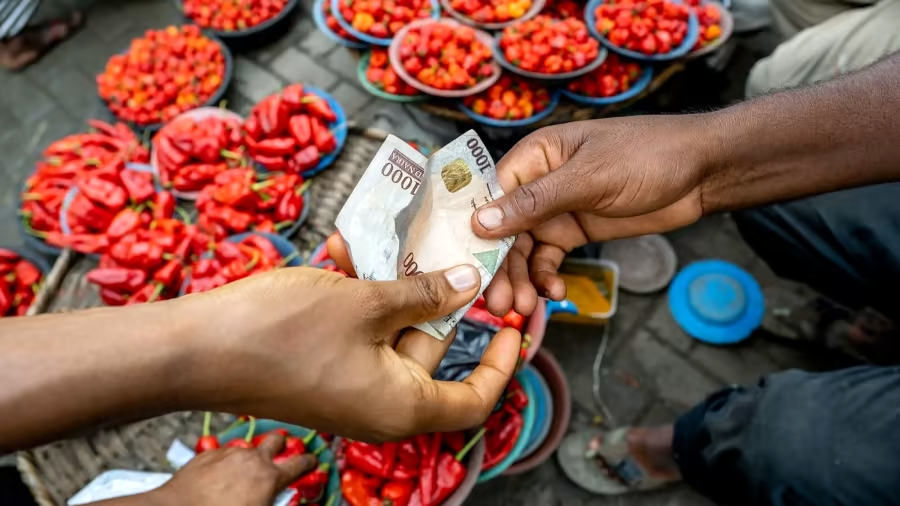
Food inflation, which accounts for the largest share of household spending, fell to 16.87% in September from 21.87% in August. The decline reflects improved supply conditions and the impact of seasonal harvests. Month-on-month food inflation dropped to -1.57%, down by 3.22 percentage points from the 1.65% recorded in August.
The reduction in food prices was driven by lower costs for staples such as maize, grains, garri, beans, millet, potatoes, onions, eggs, tomatoes, and fresh pepper.
Monetary Policy Shift
The inflation slowdown follows a significant monetary policy shift by the Central Bank of Nigeria (CBN), which cut its benchmark interest rate in September for the first time since 2020. CBN Governor Olayemi Cardoso reaffirmed the bank’s commitment to a data-driven approach and said the institution is targeting single-digit inflation over the medium term.
Urban and Rural Trends
Urban inflation stood at 17.50% year-on-year in September, down from 35.13% in September 2024—a 17.63 percentage point drop. However, month-on-month urban inflation rose slightly to 0.74%, up from 0.49% in August. The twelve-month average urban inflation rate was 24.35%, compared to 33.95% a year earlier.
In rural areas, inflation fell to 18.26% year-on-year, down from 30.49% in September 2024. Month-on-month rural inflation eased to 0.67%, compared to 1.38% in August. The twelve-month average rural inflation rate was 22.08%, down from 29.76% in the same period last year.
Outlook
While the latest figures suggest progress in curbing inflation, economists caution that sustained improvement will depend on continued policy discipline, stable supply chains, and broader macroeconomic reforms. The CBN’s interest rate cut and the seasonal boost in food supply have provided short-term relief, but long-term stability remains contingent on structural adjustments and fiscal prudence.

