
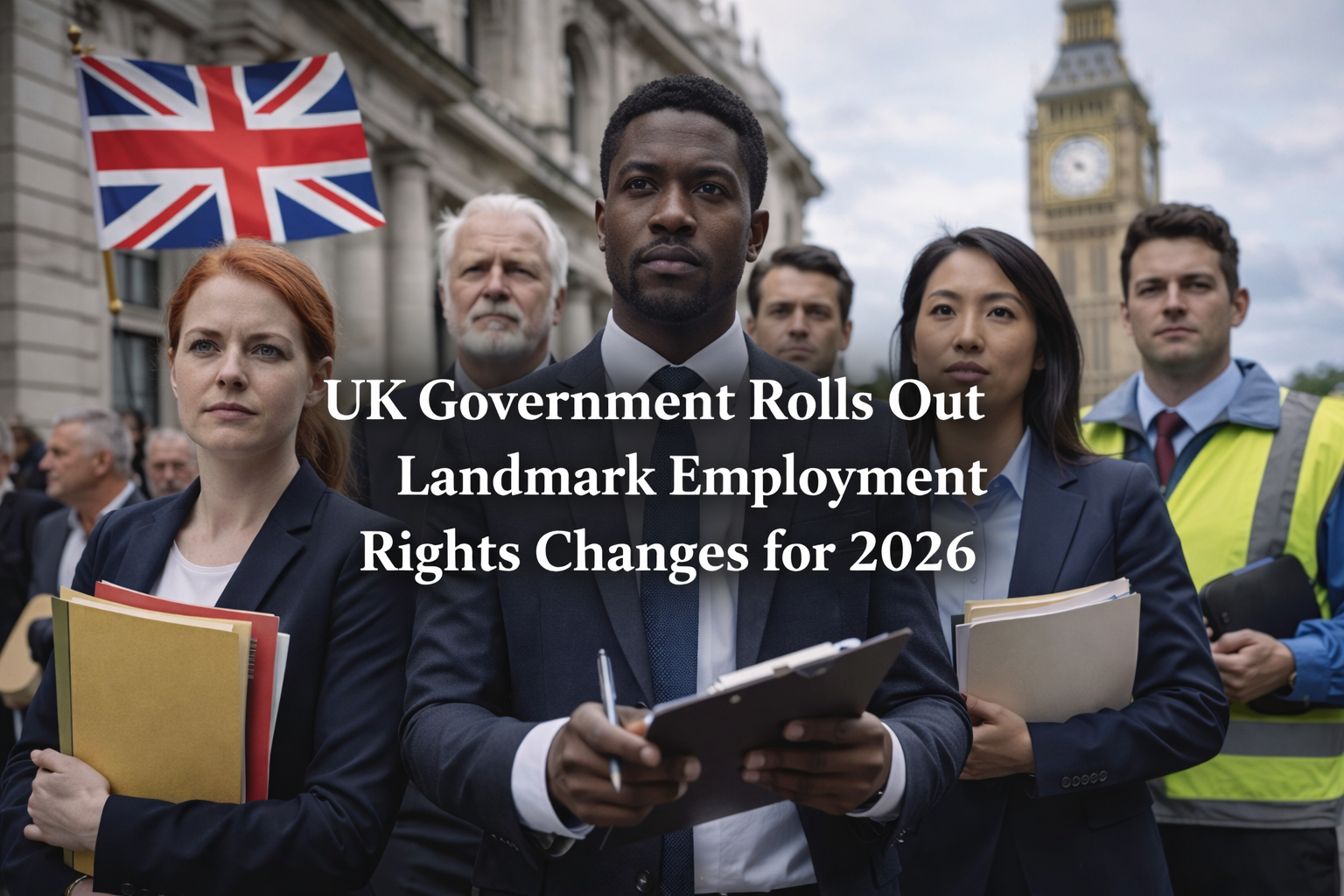
The world of work in the United Kingdom has entered a new phase, as sweeping employment rights reforms officially come into force from April 6, 2026. The changes are being described as one of the most significant upgrades to workers’ protections in a generation, with millions of employees set to benefit from stronger rights from the very first day on the job.
At the heart of the reform is a major shift in Statutory Sick Pay. For the first time, workers will be entitled to sick pay from the first day they fall ill, removing the previous rule that required a three-day waiting period. This means employees no longer have to choose between protecting their health and protecting their income. The government estimates that this change alone will put hundreds of millions of pounds back into workers’ pockets each year while also helping to reduce the spread of illness in workplaces.
The reforms go beyond sick pay. New fathers and partners can now access paternity leave from the very first day of employment, rather than waiting six months to qualify. This change is expected to support tens of thousands of families every year, allowing parents to be present during critical early moments without worrying about eligibility rules. In addition, workers now have immediate access to unpaid parental leave, ending the previous requirement to wait a full year before qualifying.
There is also a deeply human dimension to the reforms, with the introduction of Bereaved Partner’s Paternity Leave. This gives parents the right to take time off following the loss of a child’s mother or primary adopter, reflecting growing recognition of the emotional realities families face during periods of grief.
Government officials say these changes are designed not only to protect workers but also to create a healthier and more productive economy. By allowing people to recover properly when sick and support their families when needed, the reforms aim to reduce long-term absences and improve overall workplace wellbeing.
Alongside these measures, enforcement of employment rights is also being strengthened. A new Fair Work Agency is being launched to bring together existing bodies and ensure that workers’ rights are upheld more effectively. The move signals a broader shift toward accountability, with the government seeking to close gaps between policy and real-life workplace experiences.
For many workers, especially those in lower-paid or insecure roles, these reforms could mark a turning point. The ability to access sick pay immediately or take leave without delay can provide a level of stability that has often been missing in modern employment.
For migrants and members of the diaspora, the changes carry particular significance. Many people working in sectors such as healthcare, hospitality and logistics have historically faced challenges navigating employment rights or accessing benefits early in a job. These new rules help level the playing field, ensuring that protection is tied to employment itself rather than time served.
At a time when the cost of living remains a concern and job security continues to shape everyday decisions, these reforms offer a clearer sense of support for workers across the country. They also reflect a broader effort to modernise the UK labour market and align it with the realities of today’s workforce.
For readers of Chijos News, especially those building their lives abroad, this is more than policy. It is about understanding your rights, protecting your wellbeing, and making informed decisions in a system that can often feel complex. As the diaspora continues to contribute to the UK economy and society, staying informed is not just helpful, it is essential.

