
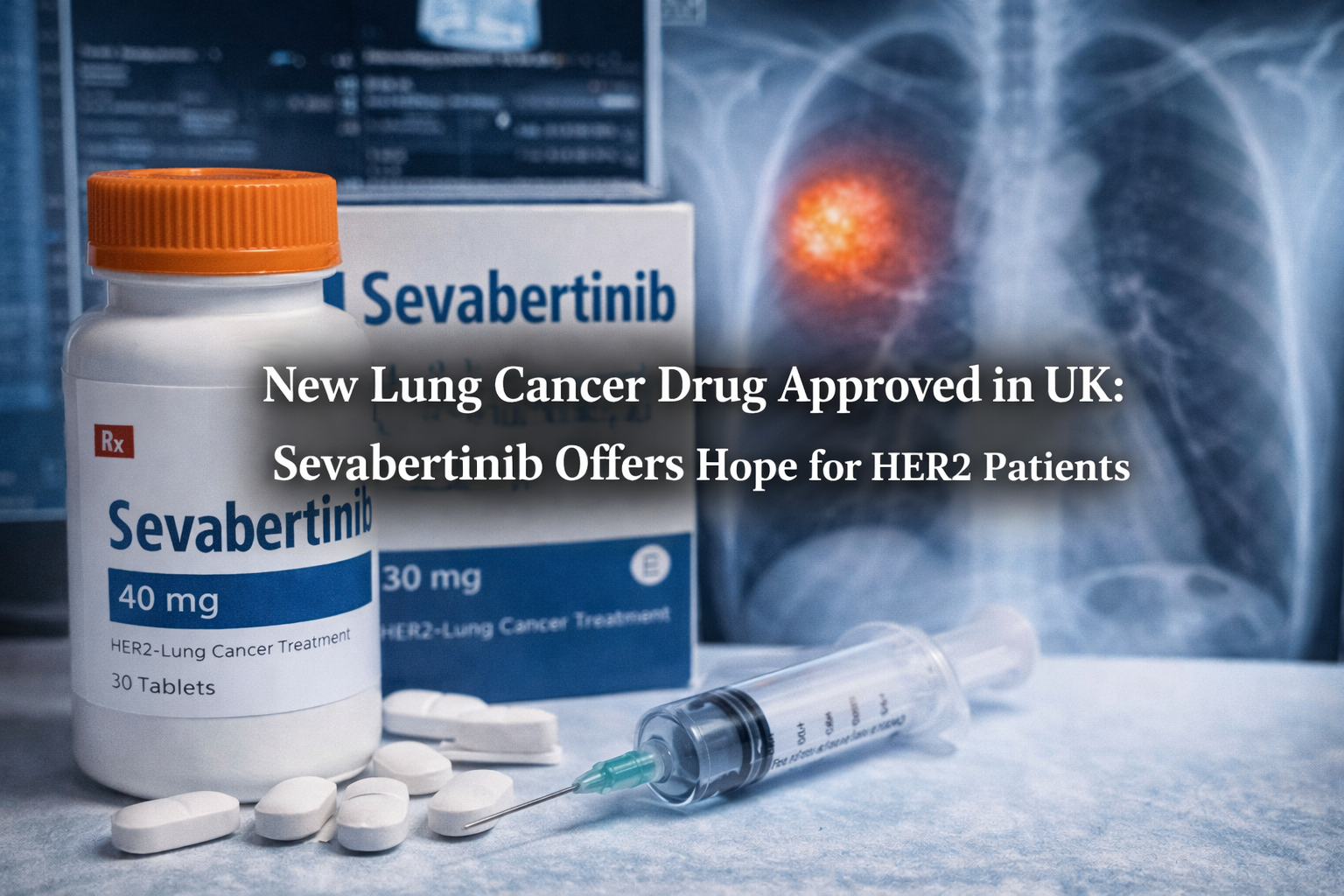
In a significant breakthrough for cancer treatment in the UK, the Medicines and Healthcare products Regulatory Agency has approved a new drug, sevabertinib, for adults living with advanced non-small cell lung cancer linked to HER2 gene mutations.
The medicine, also known as Hyrnuo, is designed for patients whose cancer has spread to other parts of the body or cannot be removed through surgery, particularly those whose condition has progressed after previous treatments.
This approval brings new hope to patients who may have run out of options. Lung cancer remains one of the most challenging cancers to treat, especially in advanced stages, and targeted therapies like sevabertinib represent a shift toward more personalised care.
Sevabertinib works by blocking the abnormal HER2 protein that fuels the growth of certain cancer cells. By targeting this specific mutation, the drug can slow down or even stop the cancer from progressing. In some cases, it can also shrink tumours.
Clinical trial results have been encouraging. Around 71 percent of patients who had already undergone treatment responded positively to the drug, with many seeing benefits that lasted six months or longer. For patients and their families, that kind of response can mean more time, more stability, and in many cases, a better quality of life.
Health officials have emphasised that testing is essential before starting treatment. Only patients with confirmed HER2 mutations are likely to benefit, making accurate diagnosis a crucial first step.
Julian Beach, Interim Executive Director of Healthcare Quality and Access at the Medicines and Healthcare products Regulatory Agency, described the approval as an important step forward for people living with this specific type of lung cancer. He also noted that, as with all medicines, safety will continue to be closely monitored as the drug becomes more widely used.
Like many cancer treatments, sevabertinib does come with potential side effects. The most commonly reported include diarrhoea, skin reactions, inflammation of the mouth, and irritation around the nails. Patients are advised to stay in close contact with their healthcare providers and report any concerns promptly.
The drug was approved through Project Orbis, an international collaboration involving regulators from countries including the United States, Australia, Canada, and others. The initiative aims to speed up access to promising cancer treatments worldwide, allowing patients to benefit from innovation sooner.
For many people, especially those navigating complex health systems, developments like this can feel distant or difficult to understand. But the reality is simple. Advances in medicine are becoming more targeted, more personalised, and more effective.
For diaspora communities, including Nigerians and other Africans living in the UK, awareness of these developments is vital. Access to healthcare in the UK is different from what many people may be used to back home. Screening, genetic testing, and specialist referrals play a major role in determining treatment options, and many people are not fully aware of what is available to them.
At Chijos News, we recognise that health journeys in the diaspora often come with additional layers of uncertainty, from navigating the NHS to understanding eligibility and treatment pathways. Stories like this are not just about medical breakthroughs. They are about ensuring our communities know their rights, ask the right questions, and seek timely care.
As cancer treatment continues to evolve, staying informed could make a life-changing difference.

