
For Nigerians and wider African diaspora communities across the UK, where daily expenses, from fuel to rent, continue to stretch household budgets, tools that offer even small savings can make a meaningful difference. At Chijos News, we focus on practical, people-first information that helps diaspora families navigate life abroad with confidence. Whether it’s understanding new government policies or finding ways to cut everyday costs, staying informed is part of staying empowered.
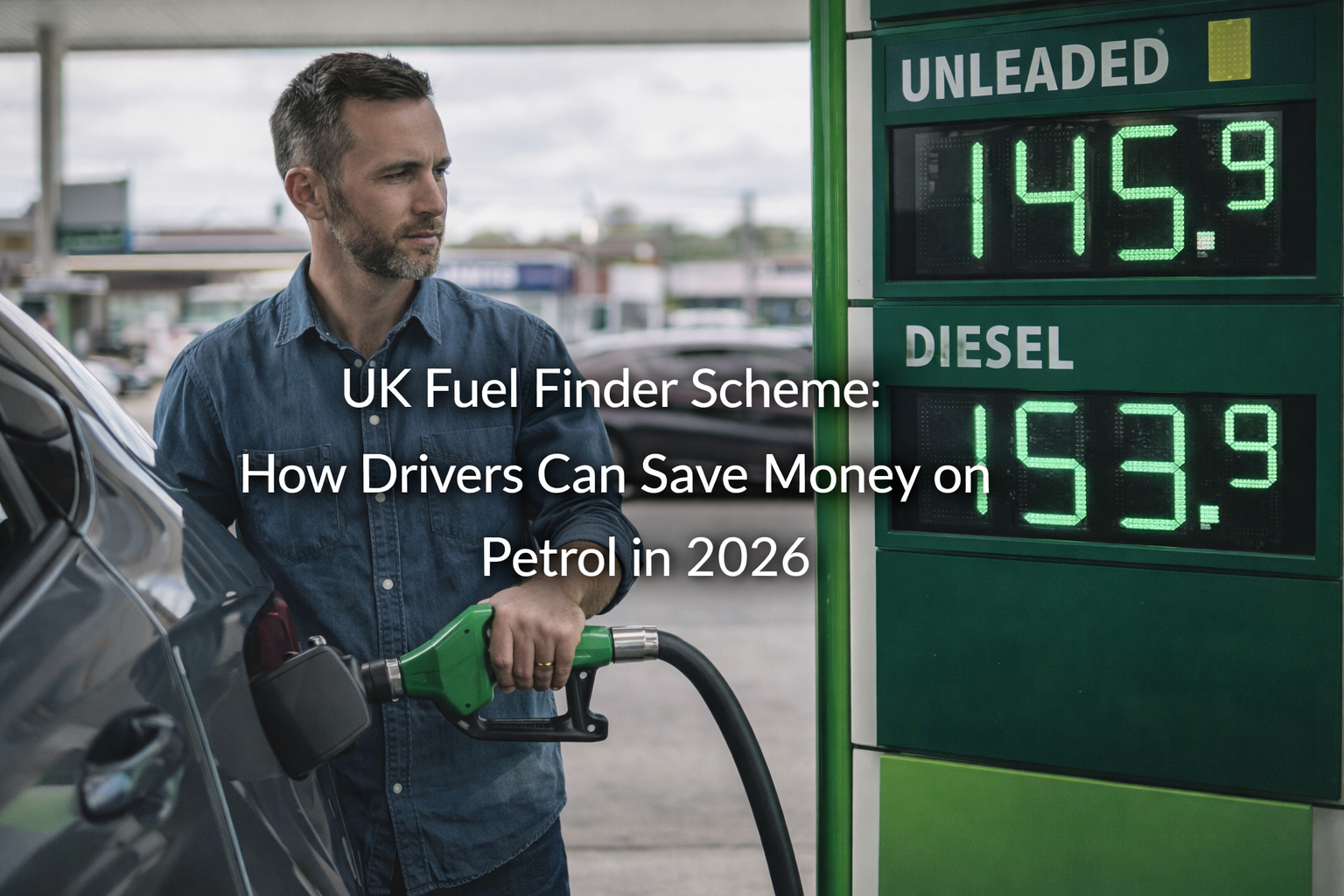
The UK government has taken another step in its effort to ease the pressure on household finances, launching a new phase of its Fuel Finder scheme designed to give drivers more control over what they pay at the pump. With the cost of living still a major concern for many families, especially migrants and diaspora workers balancing multiple financial responsibilities, the ability to quickly compare fuel prices could offer welcome relief.
At the centre of this initiative is the idea of transparency. For years, drivers often relied on guesswork or physically driving from one station to another in search of cheaper petrol. Now, with near real-time pricing available through multiple apps and websites, that uncertainty is being replaced with data-driven decision-making. Platforms like Confused.com and PetrolPrices.com are already integrating this information, allowing motorists to see which nearby stations offer the best value before they even leave home.
The government has also created a dedicated page on GOV.UK to help drivers understand how to access these tools. The aim is simple but impactful: make fuel pricing visible, encourage competition among petrol stations, and ultimately bring prices down for consumers. Early estimates suggest that households with a car could save around £40 a year, a modest figure on paper, but one that adds up over time, especially for families already managing tight budgets.
For many diaspora households, particularly those working in logistics, healthcare, delivery services, or commuting long distances, fuel is not optional. It is a daily necessity. That’s why initiatives like Fuel Finder matter beyond policy headlines. They directly affect how far a weekly income can stretch. In cities like London, Birmingham, or Manchester, where many African migrants are based, even small savings on fuel can help offset rising costs in other areas like food and energy.
Chancellor Rachel Reeves emphasised that the scheme is about putting power back into the hands of drivers, allowing them to avoid being overcharged and make smarter choices. This aligns with broader government measures aimed at tackling inflation and supporting households through economic uncertainty, including maintaining fuel duty cuts and reducing energy bills.
What makes Fuel Finder particularly relevant in 2026 is its integration with technology people already use daily. Apps like DriveScore and tools such as RAC Fuel Watch are turning smartphones into real-time cost-saving devices. Instead of reacting to prices, drivers can now plan ahead, choosing when and where to fill up based on accurate, up-to-date information.
The scheme also introduces accountability. Petrol stations are now required to update their prices within 30 minutes of any change, with around 90% already signed up. This level of oversight, backed by the Competition and Markets Authority, ensures that the data drivers see reflects reality on the ground. If discrepancies occur, users can report them directly, adding another layer of transparency to the system.
Beyond individual savings, the broader goal is to reshape how the fuel market operates. By making prices visible and comparable, the government hopes to encourage fairer competition, discouraging inflated pricing and rewarding stations that offer better deals. Over time, this could lead to more consistent pricing across regions, benefiting drivers nationwide.
For diaspora readers, the takeaway is practical. In a country where every pound counts, especially when supporting family both in the UK and back home, tools like Fuel Finder are not just convenient, they are strategic. They represent a shift toward smarter living, where information becomes a financial advantage.
As the scheme continues to roll out and more platforms integrate the data, its impact is expected to grow. For now, it offers a simple but powerful message: you no longer have to guess where to find the cheapest fuel. With the right tools, you can know before you go, and keep more money in your pocket in the process.