
For Nigerians and Africans raising families in the UK, understanding how children’s services work is not just important, it’s essential. From safeguarding to social care interventions, these systems can directly impact family life, especially for migrants who may not be familiar with how local authorities operate. At Chijos News, we break down these complex policies so diaspora families can stay informed, protected, and confident in navigating the UK system.
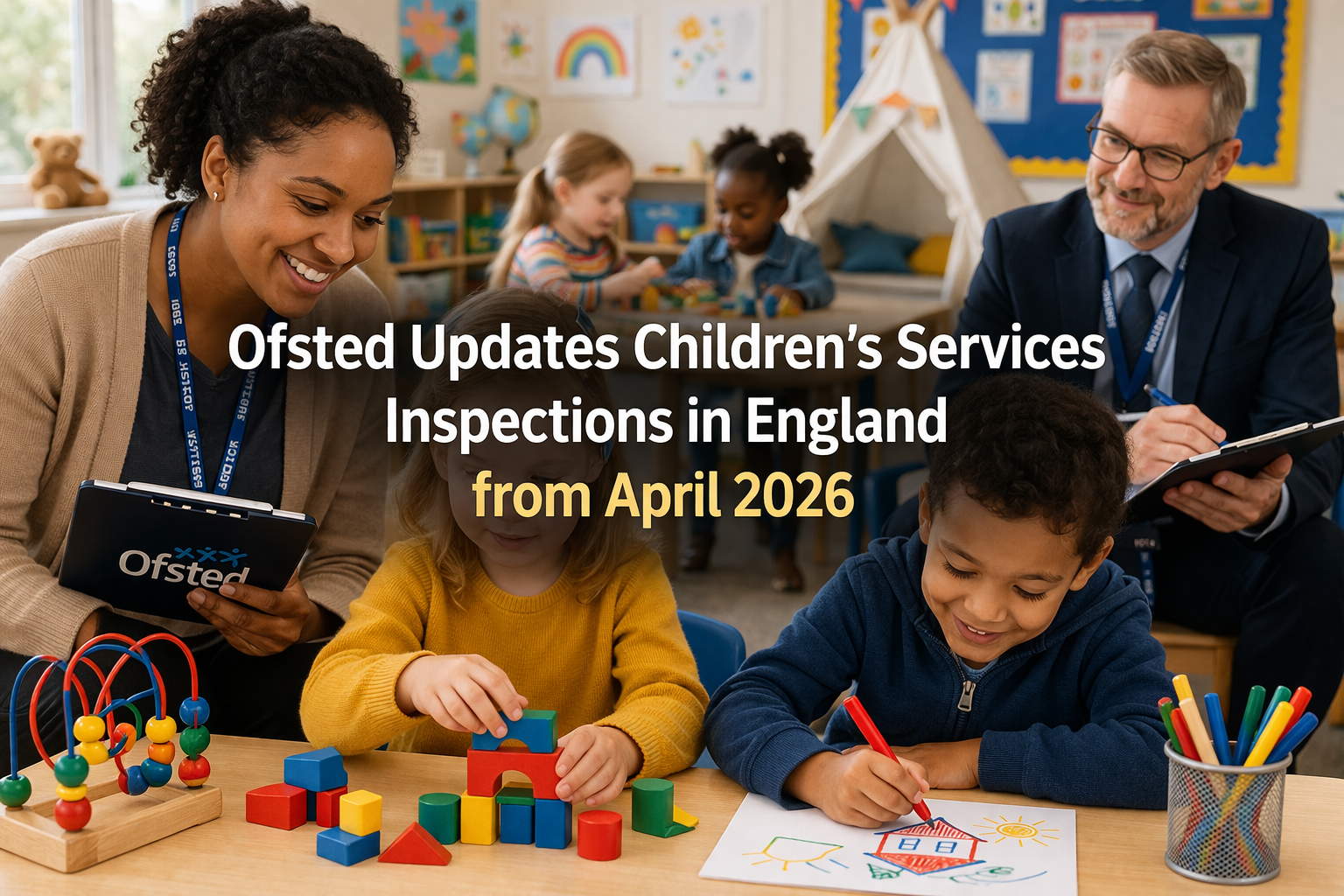
Major changes are coming to how children’s social care services are inspected in England, with a renewed focus on family support, safeguarding, and accountability.
From April 1, 2026, Ofsted will introduce an updated inspection framework designed to better reflect how local authorities support children and their families. The reforms align with recent updates to national guidance, including Working Together to Safeguard Children and the Children’s Social Care National Framework.
At the heart of the new approach is a stronger emphasis on keeping children safely within their families wherever possible. Inspectors will now pay closer attention to how local authorities engage family networks and work collaboratively with multiple agencies to provide effective care and protection.
This shift reflects a broader recognition that outcomes for children improve when support systems are coordinated and rooted in family stability. It also places higher expectations on how local authorities support children in care and young people leaving the care system, ensuring they are given the opportunities and support needed to thrive.
The updated framework also highlights the importance of leadership and professional development within children’s services. Senior leaders will be assessed not only on outcomes but on how they build strong, skilled teams and encourage collaboration between social workers and professionals from different disciplines.
One of the most significant aspects of the reform is a tougher stance on unregistered children’s homes. Concerns have been growing about vulnerable children being placed in settings that are not regulated or inspected. Under the new rules, Ofsted inspectors will challenge local authorities more directly on their use of such placements and demand clear plans to eliminate them.
Another key change is the removal of the overall headline judgement from inspections. This decision, confirmed following feedback from the Big Listen consultation, means assessments will now focus more on specific areas of practice rather than a single summary rating. Inspectors will continue to evaluate core areas such as help and protection, support for children in care, and outcomes for care leavers, alongside the effectiveness of leadership.
The way inspections are scheduled will also change. Rather than a one-size-fits-all approach, the frequency and type of inspection will depend on a local authority’s performance. Strong-performing councils may receive lighter-touch visits, while those facing challenges will undergo more frequent and detailed scrutiny.
Martyn Oliver said the changes are designed to keep children’s experiences at the centre of the system. He noted that the updated framework has been shaped through collaboration with professionals, experts, and government, ensuring it reflects both current challenges and future priorities in children’s social care.
Looking ahead, these updates are part of a wider reform programme. Ofsted has confirmed that further consultation will take place later this year, involving children, professionals, and local leaders. The goal is to develop a fully renewed inspection framework for children and family services, expected to be introduced in 2027.
For diaspora families living in the UK, these changes are particularly important. Understanding how children’s services operate can make a significant difference in how families engage with schools, social workers, and local authorities. Greater transparency and a stronger focus on family support could help build trust and improve outcomes, especially for communities that may feel uncertain about the system.
Ultimately, the reforms aim to create a more responsive, accountable, and child-focused social care system, one that not only protects vulnerable children but also supports families in staying together safely wherever possible.

