
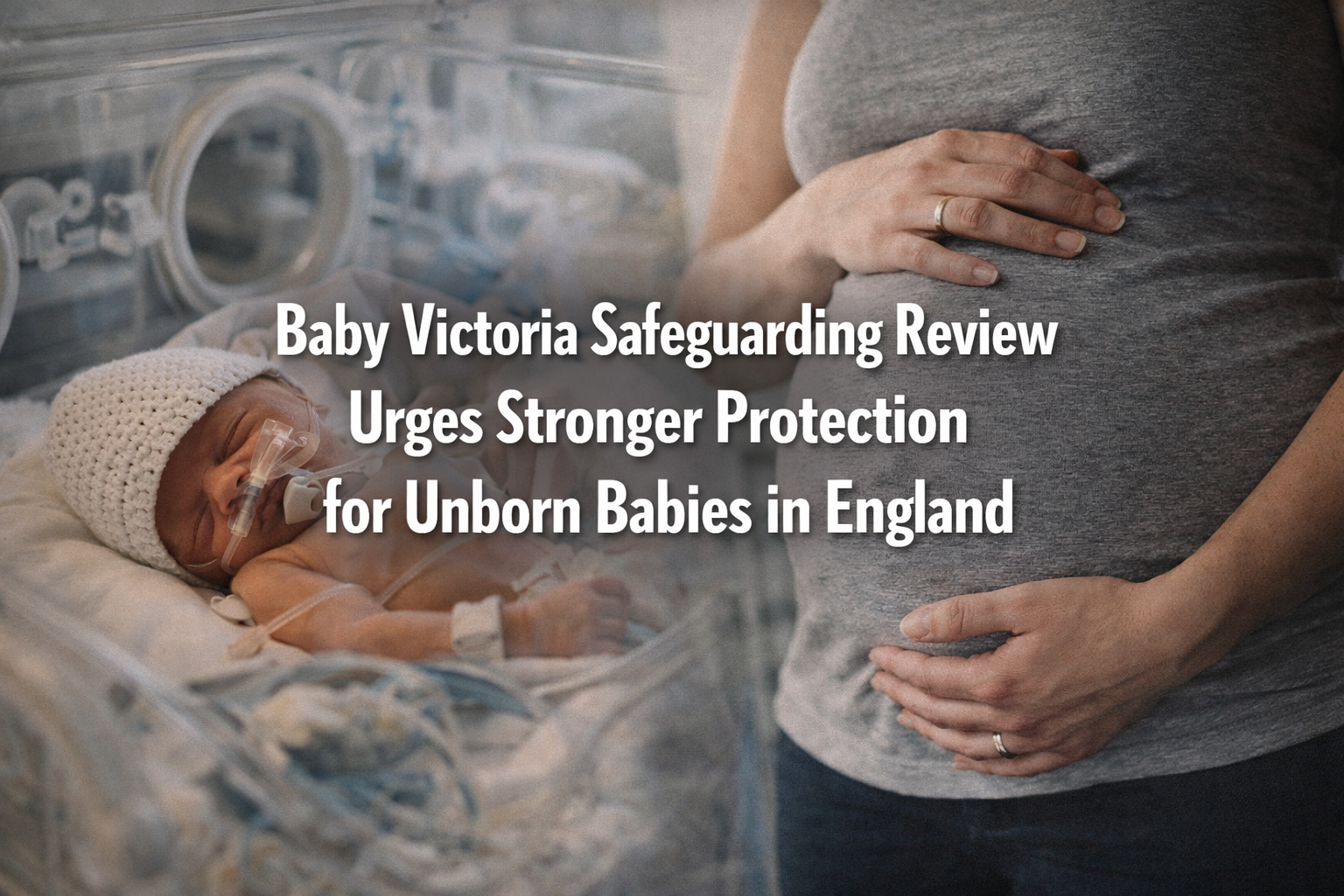
The death of a baby is every parent’s worst nightmare. In the case of Baby Victoria, born in December 2022 and dying just weeks later in early 2023, that nightmare became a national reckoning.
Her parents, Constance Marten and Mark Gordon, concealed her birth and deliberately evaded statutory services. In 2025, both were convicted of gross negligence manslaughter, child cruelty, perverting the course of justice and concealing the birth of a child. The court’s verdict closed one chapter of this tragedy. But a newly published national safeguarding review makes clear that deeper systemic lessons must now be faced.
For many diaspora families living in the UK, safeguarding stories can feel both distant and deeply personal. Communities that have migrated to Britain often carry experiences of mistrust toward institutions, cultural misunderstandings and fears about child removal. This review forces a difficult but essential conversation: how can vulnerable babies be protected while also supporting struggling parents before harm occurs?
The review found that while the specific circumstances of Baby Victoria’s death were rare, the warning signs in her family were not. There had been several concealed pregnancies, repeated child removals, domestic abuse, poor engagement with services, serious offending and frequent moves across different local authority areas. These patterns, the panel noted, appear repeatedly in serious safeguarding incidents across England.
More than 5,000 unborn babies and infants under the age of one were subject to child protection plans last year. That figure represents enormous risk, but also enormous opportunity. When professionals identify vulnerability early, they have a chance to intervene positively in family life before harm becomes irreversible.
The review concluded that Baby Victoria’s death was not predictable. However, given the repeating pattern of concealed pregnancies and child removals in the family’s history, professionals needed to think ahead even before she was conceived. A stronger focus on pre-birth safeguarding, earlier coordination between agencies and more effective engagement with her parents might have reduced the risks.
Sir David Holmes CBE, Chair of the Child Safeguarding Practice Review Panel, described the tragedy as devastating. He stressed that vulnerable unborn babies and infants are not rare cases. Children under one represent the age group with the highest fatality rate in serious safeguarding notifications. In the panel’s most recent data, 36 percent of notifications involved children under one, rising to 44 percent when including children under two.
One of the central lessons from the review is uncomfortable but vital: protecting babies often requires supporting parents who may be traumatised, mistrustful or disengaged from services. The report highlights that avoidance of professionals is frequently rooted in grief, past trauma, domestic abuse or fear following previous child removals. Without trauma-informed practice, opportunities to safeguard can be missed.
The panel is calling for clearer national guidance that explicitly includes vulnerable unborn babies within child protection frameworks. It also urges stronger multi-agency working between children’s services, adult services and offender management teams. Too often, agencies are aware of individual risks such as domestic abuse or criminal history but fail to assess and manage them together in a coordinated way.
For families who move between local authority areas, something common among migrant and diaspora households — safeguarding responsibilities can become blurred. The review highlights the need for formal information transfer, shared chronologies and clearly defined accountability when families relocate.
Another key recommendation centres on improving support for parents before and after child removal. Without meaningful help to address trauma, mental health challenges or exploitation, cycles of harm can repeat. A preventative “Think Family” approach, bringing together adult and children’s services, is seen as essential to breaking that cycle.
For diaspora communities, these findings resonate in complex ways. Many families arrive in the UK seeking safety and stability, yet cultural differences, language barriers or fear of authorities can create distance from statutory services. At the same time, safeguarding systems exist to protect the most vulnerable. The challenge lies in building trust while maintaining vigilance.
At Chijos News, we recognise that safeguarding is not simply a professional responsibility. It is a community responsibility. Faith groups, cultural associations and extended family networks often play crucial roles in supporting parents who may otherwise withdraw from formal services. Open conversations about trauma, domestic abuse and mental health within diaspora communities can reduce stigma and encourage earlier engagement.
The review does not suggest that every tragedy can be prevented. Sir David Holmes acknowledged that extreme parental harm cannot always be foreseen. But he was clear that risks can be reduced when professionals have the time, skills and resources to understand why families disengage and to address underlying issues before crisis point.
Baby Victoria’s life was brief. The panel’s hope is that her story will lead to stronger national guidance, improved information-sharing and a more coordinated safeguarding system that protects unborn babies and infants more effectively.
For families across Britain and for diaspora communities watching closely the message is sobering but urgent. Early intervention, trauma-informed practice and joined-up services are not bureaucratic ideals. They are lifelines.
If meaningful reform follows this tragedy, Baby Victoria’s legacy may yet help protect thousands of vulnerable babies in the years ahead.

