
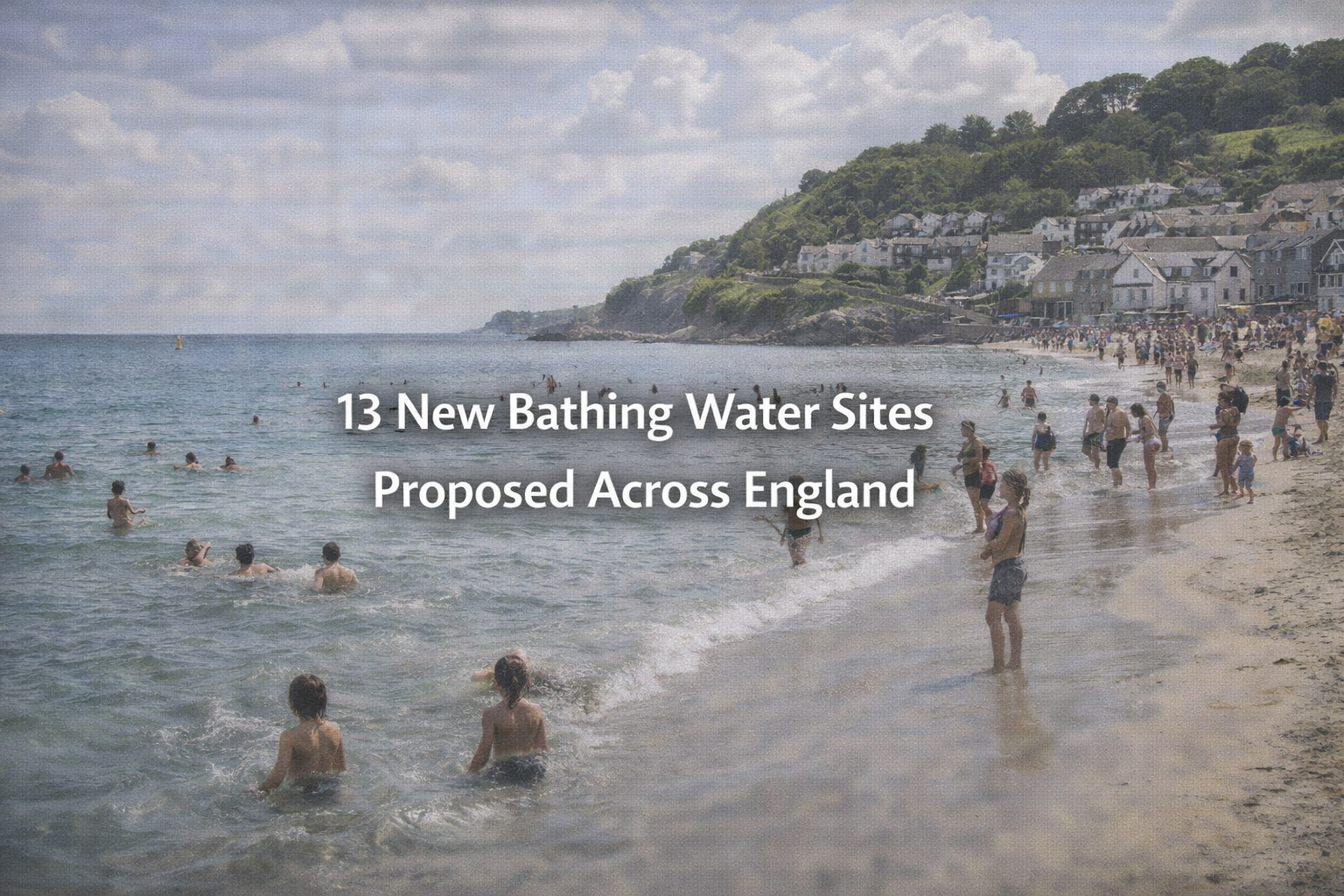
Communities across England could soon see thirteen new officially designated bathing water sites, including what would become the first ever designated bathing spot on the River Thames in London.
The announcement was made by Water Minister Emma Hardy as part of a six-week public consultation inviting residents to have their say. If approved, the new locations would increase the total number of designated bathing waters in England to 464, expanding access to safer rivers and beaches for swimming, family outings and community recreation.
For many across Britain’s African, Caribbean and wider diaspora communities, rivers and beaches are not just scenic spaces — they are places of connection, culture and belonging. From summer gatherings to faith-based community picnics and youth activities, clean and safe water spaces play a growing role in family life and wellbeing.
One of the most symbolic proposals is the designation of a bathing water site on the River Thames at Ham and Kingston in Greater London. Decades ago, in the 1950s, the Thames was declared “biologically dead.” Today, it is considered a national success story in environmental recovery. The move signals a dramatic transformation in water quality and public confidence.
The Mayor of London, Sadiq Khan, welcomed the development, stating that Londoners from all backgrounds should be able to swim safely in the capital’s waterways. His upcoming Clean and Healthy Waterways Plan aims to create inclusive and welcoming blue spaces for everyone.
Across the country, proposed sites include coastal and river locations already popular with swimmers and families, from Pangbourne Meadow in Berkshire to the River Dee at Sandy Lane in Chester. Several counties, including Berkshire and Cheshire, could see their first designated bathing waters.
Designation matters because it means water quality will be regularly monitored throughout the official bathing season, which runs from 15 May to 30 September. Sites are tested for bacteria levels and rated accordingly, giving the public clearer information about safety. Last year, 93% of England’s bathing waters met acceptable standards for swimming, with four in five rated either “excellent” or “good.”
For diaspora families living in urban areas, particularly in cities where access to green and blue spaces can be limited, safer designated bathing waters could encourage more outdoor activity, improve mental health and foster stronger community ties. Outdoor swimming and nature-based recreation have grown significantly in popularity, especially among younger generations seeking wellness alternatives and ways to reconnect with the environment.
The consultation follows applications submitted in 2025 and aligns with wider reforms to modernise the bathing water system. The government says the changes aim to reflect how people use rivers, lakes and beaches today, rather than relying on outdated “one size fits all” rules.
Alongside the bathing water proposals, the government has introduced broader reforms in the water sector. These include the Water (Special Measures) Act, tougher enforcement powers for regulators, increased transparency through real-time monitoring of emergency overflows, and over £104 billion in private investment over the next five years to upgrade water infrastructure and reduce pollution.
Environmental groups such as Thames21 have praised the proposals, highlighting the role of volunteers and citizen scientists in improving local water quality. Campaigners argue that healthier rivers benefit not only swimmers but wildlife, tourism and local economies.
For readers of Chijos News, this consultation represents more than environmental policy. It speaks to fairness and access. Clean rivers and beaches should not be a privilege limited to certain postcodes or communities. Safe blue spaces allow children to learn to swim confidently, families to gather without fear of contamination and communities to take pride in their surroundings.
The consultation will remain open for six weeks. After reviewing public responses, the government is expected to confirm which sites will be designated ahead of the 2026 bathing water season.
For diaspora communities across England, this could mark a new chapter, one where cleaner rivers, restored pride and safer shared spaces become part of everyday life.

