
For many Nigerian and diaspora parents raising children in the UK, education is not just important. It is everything.
It is the reason many families migrated in the first place. The hope that children would have better schools, better opportunities, and a fairer chance to succeed than they might have had back home.
But the reality has often been harder than expected.
Private tutoring is expensive. One-to-one academic support, which can make a huge difference to a child’s confidence and results, is often out of reach for families already juggling rent, childcare, transport, and responsibilities stretching across continents.
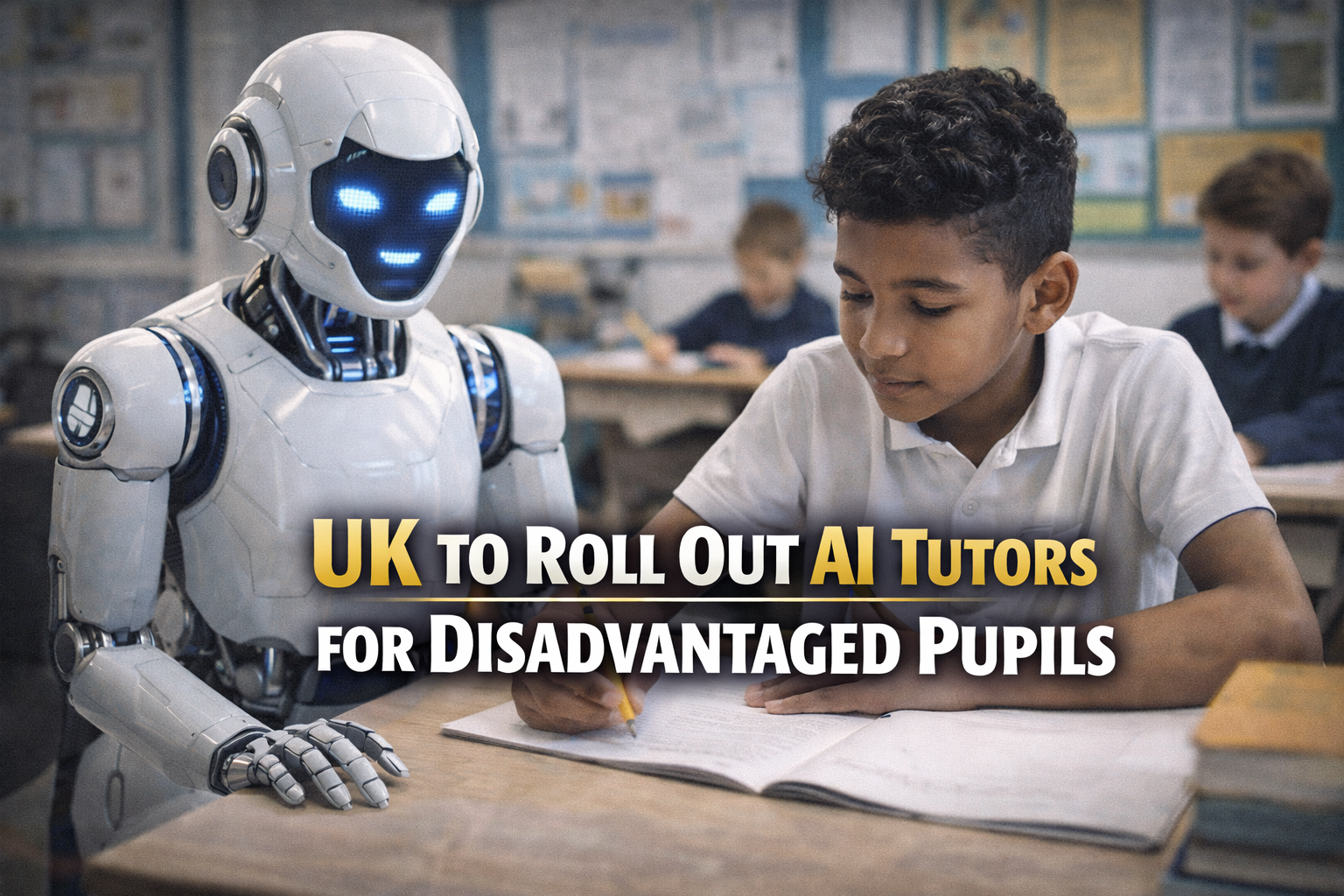
That is why the government’s new plan to introduce safe, AI-powered tutoring tools could be a game-changer for hundreds of thousands of families.
Up to 450,000 children from disadvantaged backgrounds across England could benefit from personalised, one-to-one learning support powered by artificial intelligence, helping to level the playing field for pupils who cannot afford private tutors.
The goal is simple but ambitious: to break the link between a child’s background and their future.
Right now, the gap is stark. Only around one in four disadvantaged pupils achieve a strong pass in English and maths at GCSE, compared with more than half of their peers from better-off backgrounds. For many migrant families, this gap feels painfully familiar, especially when children are navigating language barriers, cultural adjustment, and limited support outside school.
Research shows that one-to-one tutoring can accelerate learning by around five months. The problem has never been whether tutoring works. It’s who gets access to it.
Children from wealthier families are far more likely to receive private tutoring, while those who might benefit most often go without. The government now wants to change that by working with teachers and technology companies to co-create AI tutoring tools that deliver personalised support at scale.
From the summer term this year, teachers will begin working directly with industry to help design and shape these tools. The aim is to ensure they meet the same standards of quality, safety, and educational value as traditional tutoring, while aligning fully with the National Curriculum.
If successful, the tools will adapt to individual pupils’ needs, offering extra support when students get stuck, identifying gaps in understanding, and helping them practise until concepts truly click. For a child struggling quietly in a crowded classroom, that kind of tailored attention could make a lasting difference.
By the end of 2027, the tools are expected to be available to schools nationwide. For pupils in years 9 to 11 alone, this could mean up to 450,000 children a year on free school meals gaining access to one-to-one tutoring support that was previously out of reach.
For Nigerian and other diaspora parents, this speaks directly to everyday realities. Many households value education deeply but cannot always provide academic help themselves, especially when the curriculum is unfamiliar or parents are balancing long working hours. AI-powered tutoring, used properly, could act as an extra pair of hands rather than a replacement for teachers or parents.
The government has been clear that these tools are designed to complement face-to-face teaching, not replace it. Human teachers remain at the centre of learning, with AI acting as targeted support to help pupils catch up, keep pace, or even push further where they are capable.
Education Secretary Bridget Phillipson has said the mission is to break the link between background and destiny, emphasising that AI tools must be safe, rigorously tested, and built alongside teachers. She stressed that technology should enhance learning while preserving the human connection that great teaching provides.
Technology Secretary Liz Kendall echoed this, noting that too many disadvantaged children are falling behind and that safe, smart AI tutoring could help close that gap by giving children access to support their families may not be able to afford.
Trials of the tutoring tools will begin later this year in secondary schools across the country, with teachers playing a central role in testing, refining, and shaping how the tools work in real classrooms. Their feedback will inform how the technology is rolled out more widely.
To build trust with parents, robust benchmarks will also be developed so families and schools can be confident that AI tools used by pupils are reliable, high quality, and safe. Teachers and school staff will receive practical training to ensure AI is used responsibly and effectively.
The announcement also sits within a wider push to make technology in education safer and more balanced. Alongside the AI tutoring plans, the government is consulting on children’s social media use, strengthening rules around phones in schools, producing guidance on screen time for under-fives, and investing £23 million to expand EdTech testbeds in over 1,000 schools and colleges.
For diaspora families, particularly Nigerians raising children in the UK, these developments reflect a growing recognition that opportunity should not depend on household income or background. Many parents know what it feels like to carry big dreams for their children while worrying about whether they have enough support to reach them.
At Chijos News, we understand that education is one of the strongest bridges between migration and long-term stability. While AI will never replace the dedication of teachers or the values instilled at home, tools that help children understand, practise, and gain confidence could make a meaningful difference.
If implemented well, this initiative could help thousands of children not just pass exams, but believe in their ability to succeed. For families who crossed borders in search of better futures, that belief matters just as much as the grades.