
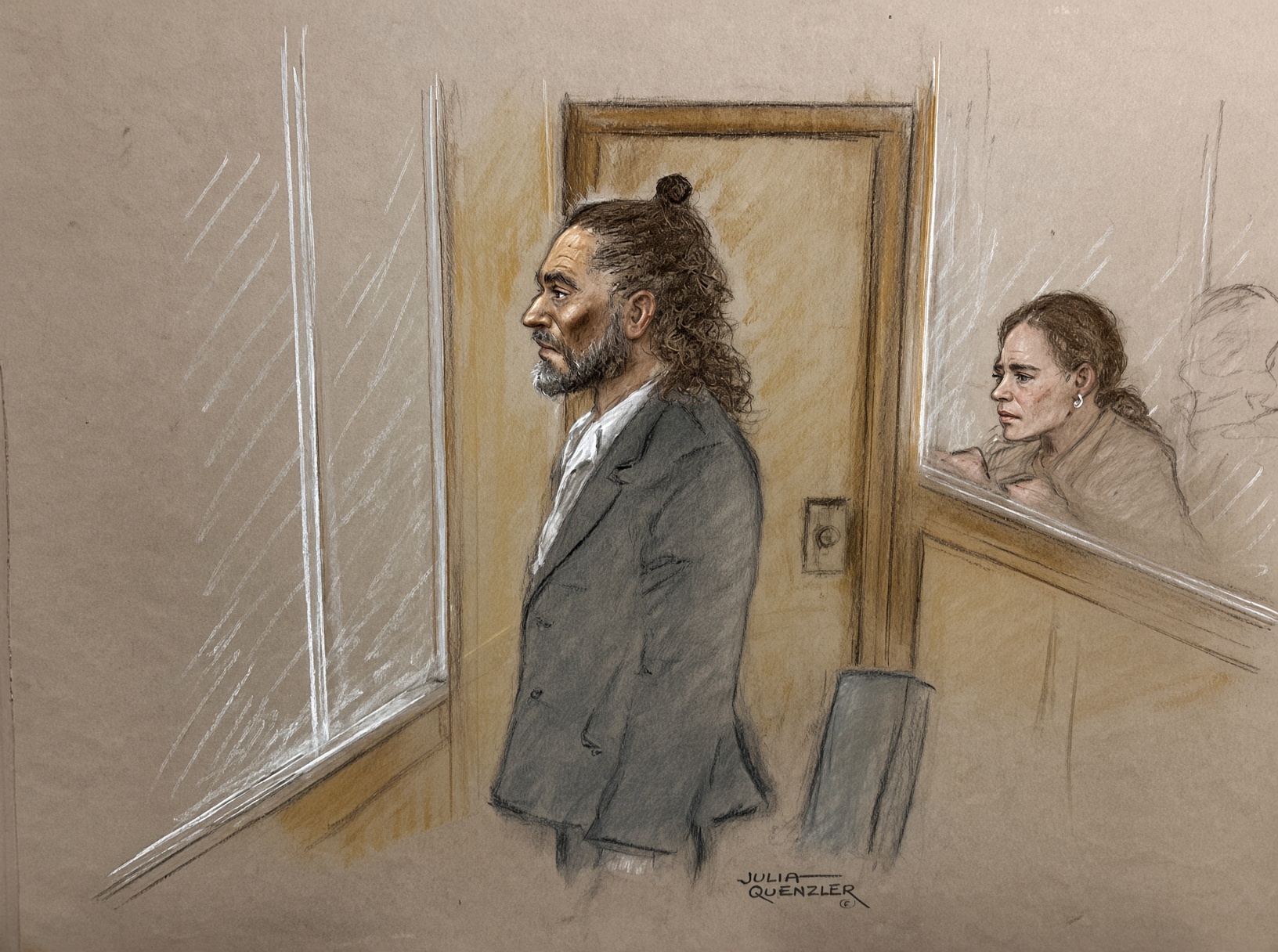
British police are assessing a number of new reports and potential criminal allegations concerning comedian and actor Russell Brand, following his conviction for rape and sexual assault and his sentence of 10 years and six months in prison.
The Metropolitan Police confirmed on Tuesday, 10 November, that several people had contacted the investigation team during and after Brand’s trial to provide information or report possible criminal allegations. Detectives are now assessing the information as part of their ongoing enquiries.
The development comes just one day after Brand was sentenced at Southwark Crown Court on Monday, 9 November. The 51-year-old was convicted of one count of rape and three counts of sexual assault involving four women between 2004 and 2009.
The verdict followed a four-week trial during which the jury considered evidence relating to allegations of sexual offences committed during the height of Brand’s entertainment career. He was also acquitted of two further counts of rape and one count of attempted indecent assault.
Brand had denied the charges, maintaining that he had never engaged in non-consensual sexual activity. His conviction and sentence mark a major development in a case that has drawn widespread attention to sexual abuse, the use of celebrity influence and the treatment of women who report allegations against powerful public figures.
Police assess further reports after conviction
The Metropolitan Police said detectives had received information from several people who made contact with the investigation team during the trial and after it concluded. The force confirmed that officers were reviewing the information to establish whether it contained details of potential criminal offences requiring further investigation.
The latest reports follow the disclosure that detectives were already investigating two additional allegations of rape involving Brand. One of those allegations reportedly concerns a woman who was 16 at the time of the alleged incident.
Police had previously indicated that they expected more people to come forward following the guilty verdict. The latest statement suggests that further individuals have now contacted investigators, although the force has not publicly disclosed the full details of the reports or confirmed whether they will lead to additional charges.
It is important to distinguish between the offences for which Brand has been convicted and the separate allegations currently being assessed. The new reports remain subject to police enquiries, and no further convictions have been established in relation to them.
Jemima Goldsmith speaks about 2014 incident
The latest developments have also brought renewed attention to comments made by Jemima Goldsmith, Brand’s former girlfriend, following his sentencing.
Goldsmith said on social media that she had contacted the police during an incident at her home in 2014 and asked officers to remove Brand from the property. She said she had chosen not to pursue charges at the time, partly because she was concerned about the effect that media attention could have on her children.
She also described her experience of what she called violence, coercive control and abuse during the relationship, adding that she had not seen or spoken to Brand since 2014. Goldsmith said she was glad and relieved that he had finally faced justice following the criminal trial.
On Wednesday, 11 November, Thames Valley Police confirmed that officers had attended Goldsmith’s Oxfordshire home on 25 July 2014 after a woman reported that her partner had assaulted her. The force said officers spoke to the woman, listened to her concerns, provided support and advice, and ensured that her partner left the address in accordance with her wishes.
No arrest was made in connection with that incident, and Goldsmith has said she did not press charges. The police confirmation establishes that officers attended and responded to the report, but it does not amount to a criminal conviction relating to the 2014 incident.
From television fame to a major criminal conviction
Brand became widely known in Britain during the 2000s, initially building his profile through comedy and television presenting. He gained further attention hosting a spin-off programme connected to Channel 4’s Big Brother before becoming a regular figure on British television and radio.
His career later expanded into film, including a role in the comedy Get Him to the Greek. He also attracted international attention through his marriage to American singer Katy Perry in 2010. The relationship ended after approximately 14 months.
In the years that followed, Brand moved increasingly away from mainstream entertainment and developed an online following through commentary, interviews and discussions about politics, culture and personal beliefs.
His criminal conviction has now brought renewed scrutiny to his public career and the allegations that had previously been reported about him. The case also highlights the challenges involved in investigating alleged sexual offences that are reported many years after the events took place.
What happens next?
The Metropolitan Police investigation remains active, with detectives assessing the new information received during and after the trial. Whether any of the reports will result in further interviews, charges or court proceedings will depend on the evidence gathered and the outcome of the enquiries.
Brand is currently serving his 10-year-and-six-month prison sentence following his conviction for rape and three counts of sexual assault. The separate allegations remain matters for the police and, where appropriate, the Crown Prosecution Service to consider.
The case has also renewed public discussion about the barriers that can prevent people from reporting sexual violence, particularly when the person accused has significant public influence, financial resources or a powerful professional network.
For those affected, reporting an incident can involve difficult decisions about privacy, personal safety, family circumstances and the possibility of facing public attention. The criminal justice process can also take considerable time, especially where allegations concern events that happened many years earlier.
The police and prosecution authorities have encouraged anyone who may have experienced sexual offences to seek support and report concerns when they feel able to do so. A person does not have to decide immediately whether to make a formal complaint before seeking confidential support.
What this case means for Nigerians and the wider African diaspora in the UK
For Nigerians and other African communities living in Britain, the Russell Brand case raises important questions about consent, personal safety and how allegations of abuse are handled when the person accused is influential or widely recognised. These issues are relevant not only to the entertainment industry but also to workplaces, religious organisations, educational institutions and community groups where differences in status or authority can make it difficult for someone to speak out.
In close-knit diaspora communities, concerns about family reputation, embarrassment, social judgement or the consequences of reporting someone known to the community can sometimes make disclosure especially difficult. People experiencing abuse should not feel that they must remain silent to protect a relationship, an organisation or a person’s public standing. Equally, anyone making or reporting an allegation deserves to be treated with care, and claims must be assessed fairly through the appropriate legal process.
The case also offers a reminder to Nigerian-owned media platforms, event organisers and community organisations in the UK to take safeguarding seriously. Clear reporting procedures, appropriate responses to complaints and an understanding of consent and professional boundaries are important wherever people work, socialise or depend on others for opportunities.
For anyone affected by sexual violence, Rape Crisis England and Wales provides confidential support through its 24-hour Rape and Sexual Abuse Support Line on 0808 500 2222. The Metropolitan Police has also provided a route for people with relevant information about the Brand investigation to contact its specialist team.
At Chijos News, we believe stories like this should be reported with sensitivity to those affected, without allowing celebrity status or public influence to overshadow the importance of consent, accountability and a fair justice process.