
For Nigerians and other diaspora communities living in the UK, energy is no longer just about paying bills, it’s about survival, stability, and smart adaptation. From rising electricity costs to global conflicts affecting fuel prices, what happens abroad directly shapes your everyday life at home. At Chijos News, we break down these policies in a way that speaks to you, whether you’re renting a flat in London, sharing accommodation, or planning to buy your first home, so you can understand how to save money and take control in an unpredictable system.
At a time when global conflict is once again pushing energy prices into uncertainty, the UK government is turning to something closer to home, literally. In a move designed to give households more control over their electricity and reduce reliance on volatile fossil fuel markets, ministers are fast-tracking the rollout of plug-in solar panels that can be used straight from a socket.
Yes, it’s exactly what it sounds like.
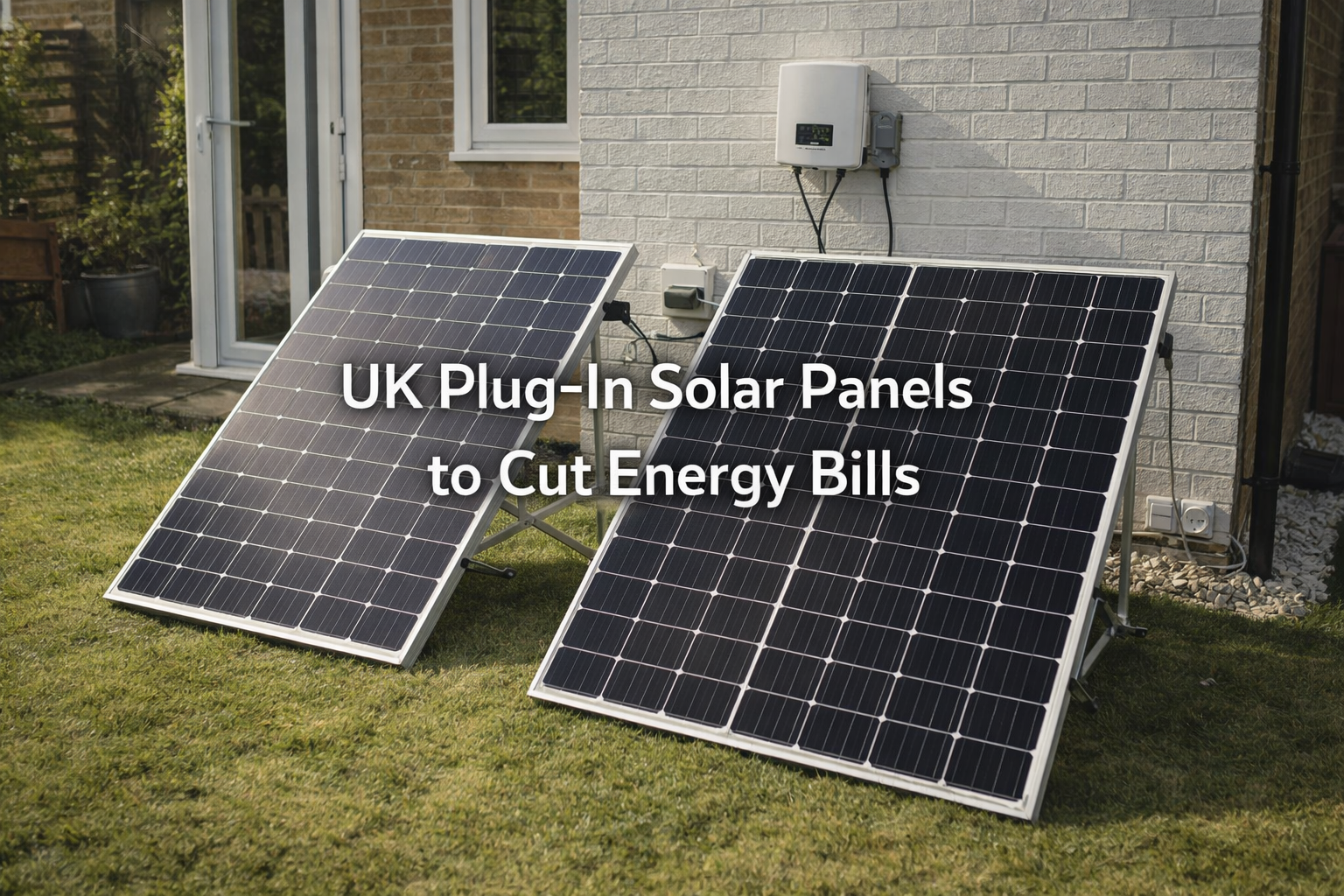
Small, low-cost solar panels that you can place on your balcony, garden space, or outdoor wall, plug into your home, and start generating electricity without the need for complex installation. For many people, especially renters and those living in flats—this could be the first time solar power feels accessible, not aspirational.
For diaspora communities across the UK, including Nigerians navigating the realities of high rent, rising bills, and tight budgets, this could quietly become one of the most practical financial changes in years.
Because energy in the UK is no longer just about usage. It’s about exposure to global shocks.
The ongoing tensions in the Middle East have once again exposed how dependent countries like the UK remain on international oil and gas markets. When conflict rises, prices follow. And when prices rise, it’s households—not governments—that feel it most immediately.
That’s why this shift matters.
Instead of relying purely on large-scale infrastructure, the government is now pushing a more decentralised model—one where ordinary people can generate at least some of their own power. Plug-in solar panels won’t eliminate your electricity bill overnight, but they can reduce how much energy you draw from the grid. Over time, that translates into real savings.
Across Europe, this model is already working. In countries like Germany, hundreds of thousands of households are installing these systems every year. Now, the UK is preparing to catch up, with major retailers expected to stock these panels within months.
The bigger picture is even more ambitious.
Alongside plug-in solar, new homes built under the upcoming Future Homes Standard will come with solar panels and low-carbon heating systems as standard. The idea is simple: instead of retrofitting homes later at great cost, build them efficiently from the start. For families, that could mean savings of up to £830 a year on energy bills—money that, for many migrants and working households, makes a real difference.
But there’s also a deeper shift happening here.
For years, the UK has had the capacity to generate large amounts of renewable energy—especially wind power—but hasn’t always been able to use it efficiently. In some cases, wind farms are actually paid to shut down because the grid can’t handle the excess electricity.
Now, the government wants to flip that logic.
Instead of wasting energy, households, particularly in parts of Scotland and the East of England—could soon benefit from discounted electricity during periods of high renewable output. Imagine paying less for power simply because it’s a windy day. It’s a small change in concept, but a major shift in how energy is distributed and consumed.
For everyday people, especially those trying to stretch every pound, these changes are not abstract policy—they are practical tools.
If you’re living in a rented flat, plug-in solar could offer a way to reduce your bills without needing landlord approval for major installations. If you’re planning to buy a home, future properties will increasingly come with built-in energy savings. If you’re simply trying to manage your finances in a high-cost environment, every reduction matters.
There’s also a sense of timing to all of this.
From April, households across the UK are expected to see a £117 reduction in energy bills for the next quarter. While that offers short-term relief, the government’s broader message is clear: long-term protection will only come from reducing dependence on fossil fuels altogether.
For many in the diaspora, this idea resonates.
You’ve seen how instability in one part of the world can ripple across economies. You understand what it means to adapt quickly. And now, you’re watching a country like the UK attempt to do the same—by shifting towards cleaner, more localised energy systems.
The question is no longer whether energy will change. It’s how quickly households can adapt to those changes and benefit from them.
In the end, plug-in solar panels are more than just a new gadget on the market. They represent a shift in power, literally and financially towards individuals. A chance for households to take back some control in a system that has often felt unpredictable and expensive.
And for Nigerians and other diaspora communities building their lives in the UK, that control isn’t just convenient.
It’s necessary.

