
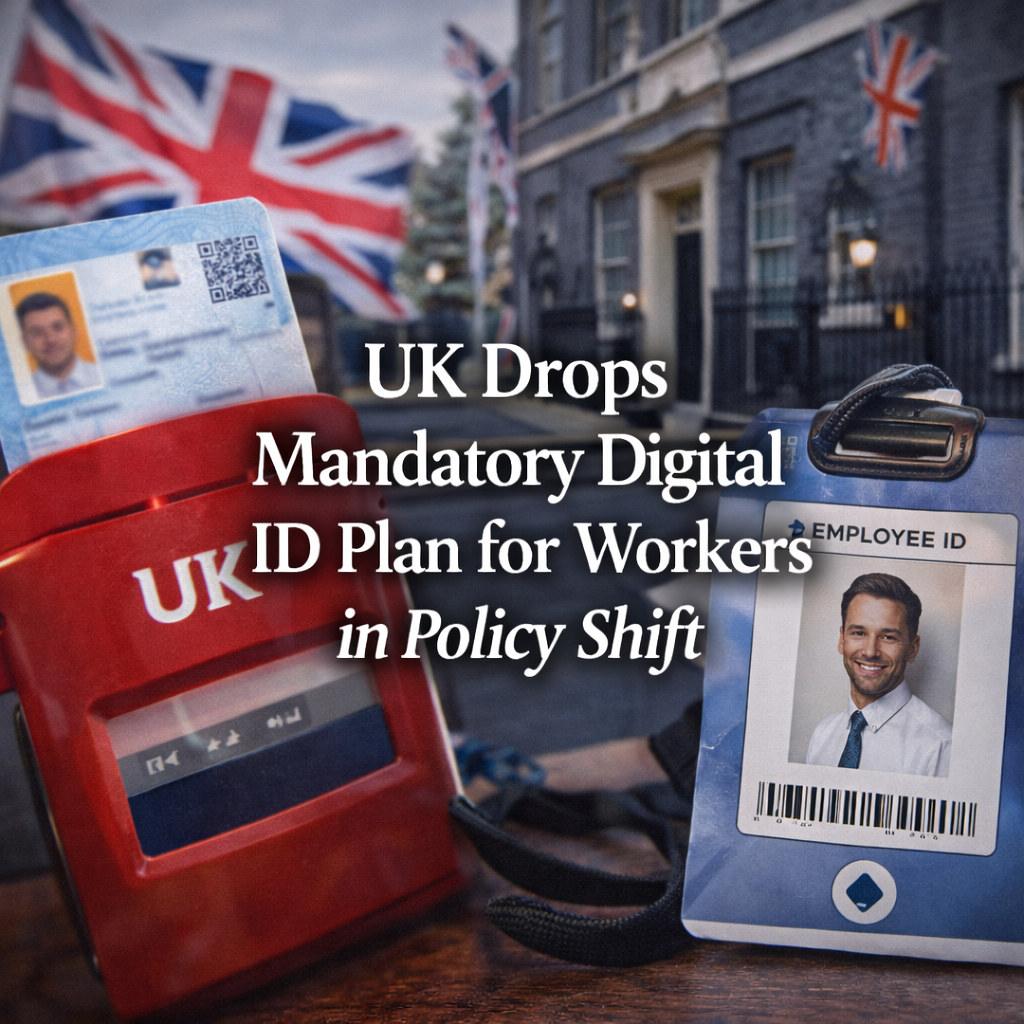
Britain is preparing to drop plans that would have made digital identity documents mandatory for all workers, a move that is already being described as another significant policy shift under Prime Minister Keir Starmer’s Labour government. Reports from The Times, the BBC and other UK media suggest the proposal will now be softened, with digital IDs becoming optional rather than compulsory when they are introduced later in the decade.
For many Nigerians and other migrants living and working in the UK, this development lands close to home. The digital ID proposal was never just a technical reform. It raised deep questions about immigration control, employment rights, privacy and how foreign-born workers would be monitored in their everyday lives.
The original plan was announced by Starmer in September last year as part of a broader effort to tackle illegal migration and tighten right-to-work enforcement. Under that proposal, every worker in the UK would have been required to hold a digital identity document stored on their mobile phone. Employers would have been legally required to use it as part of hiring checks, effectively making digital ID a gateway to employment.
Government ministers argued at the time that the system would modernise checks, close loopholes and make it harder for illegal working to flourish. But criticism came quickly and from multiple directions. Some opponents said it would do little to deter illegal migration, while others warned it could undermine civil liberties and create a culture of constant surveillance, particularly affecting migrants and ethnic minority communities.
According to The Times, the government has now stepped back from making digital IDs mandatory because of concerns that forcing the scheme on the public could undermine trust before it even begins. Instead, when digital IDs are introduced around 2029, they are expected to be optional. Other documents, such as electronic visas, biometric residence permits and passports, would continue to be accepted as proof of the right to work.
For the Nigerian diaspora and other foreign nationals, this distinction matters. Many migrants already navigate complex digital immigration systems, from eVisas to online share codes. The idea of a single compulsory digital ID raised fears of technical failures, data errors and situations where someone could be locked out of work because of a system glitch rather than their actual immigration status.
Despite the reported U-turn, the government insists that tougher digital right-to-work checks are still coming. A spokesperson said ministers remain committed to mandatory digital right-to-work checks, even if a universal digital ID is no longer compulsory. They argued that the current system relies too heavily on fragmented, paper-based processes, often with no clear record of whether checks were carried out at all, leaving room for fraud and exploitation.
From a diaspora perspective, this is where the nuance lies. Stronger right-to-work checks can protect migrants from exploitation by rogue employers who thrive in the shadows. At the same time, overly rigid or poorly designed systems can unfairly target lawful migrants, international students and care workers, many of whom already feel under constant scrutiny.
If confirmed, the decision to drop mandatory digital ID would mark yet another climbdown for Starmer’s government. In recent months, Labour has scaled back plans to raise additional taxes from farmers, reversed elements of proposed welfare cuts and softened a controversial plan to reduce energy bill subsidies for older people. Critics see a pattern of bold announcements followed by quieter retreats once political and public resistance builds.
For communities like Nigerians in the UK, these policy shifts reinforce an important lesson: immigration and work rules can change quickly, and announcements do not always become reality in the form first presented. What matters most is staying informed, understanding what is actually in force, and not making life-changing decisions based solely on headlines.
As Britain continues to reshape its immigration and employment systems, Chijos News remains focused on what these changes mean in real terms for the diaspora. Whether digital ID becomes optional or mandatory in the future, the lived experience of migrants will depend on how policies are implemented on the ground, how fairly systems operate, and whether trust is built rather than assumed.