
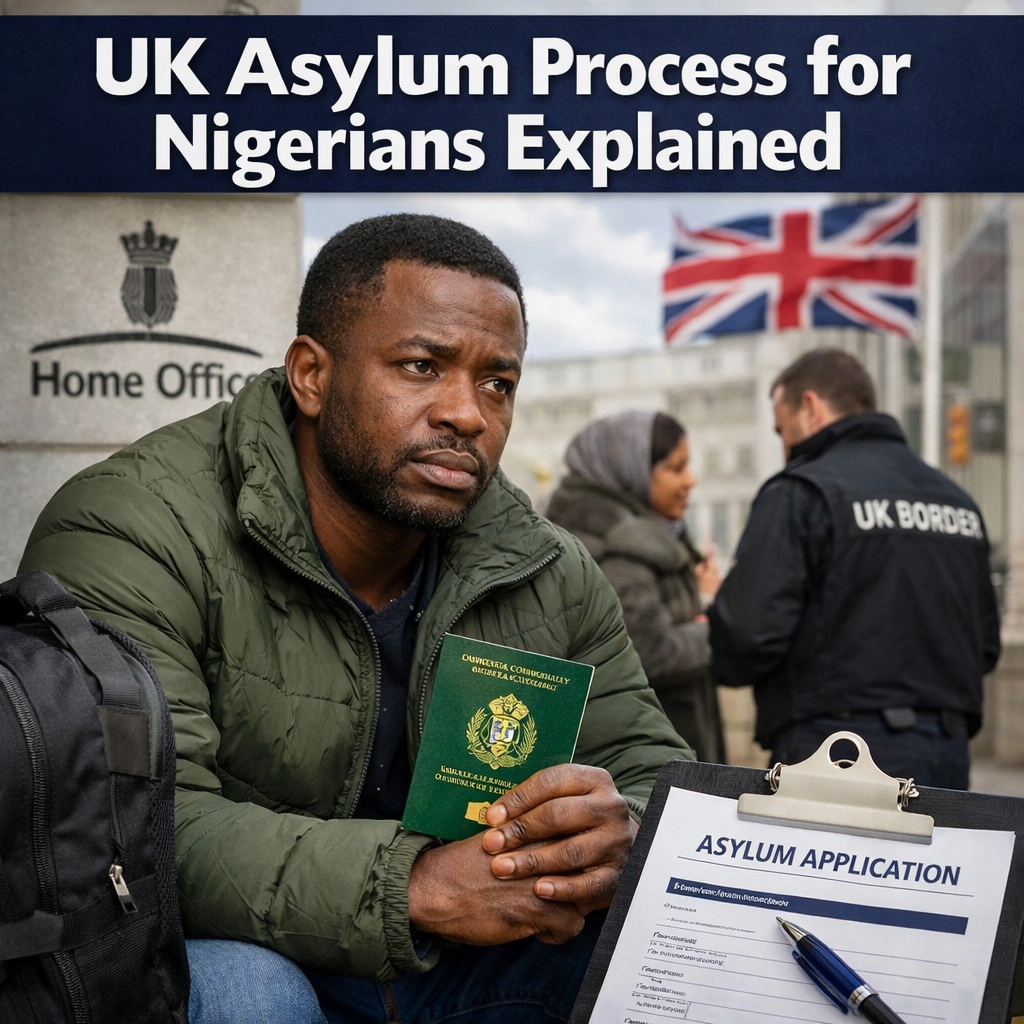
Across the UK, thousands of Nigerians are quietly navigating one of the most emotionally draining systems any migrant can face: the asylum process. It is not a shortcut, not a trend, and certainly not just paperwork. It is a journey shaped by fear, memory, waiting, and the weight of having your life story examined by strangers behind closed doors.
At Chijos News, we tell the stories that matter to the Nigerian diaspora, stories about survival, dignity, and the hard systems people must pass through to find safety abroad. From WhatsApp voice notes to TikTok rumours, misinformation spreads fast, but the UK asylum system is rigid, legalistic, and unforgiving of mistakes. For Nigerians caught in this process, understanding how it truly works can mean the difference between protection and refusal.
This guide explains, in plain English, how the UK asylum system works for Nigerians: what asylum actually means, who qualifies, how claims are made, what decisions look like, and why the emotional toll is often as heavy as the legal one.
What Asylum Really Means in the UK
Seeking asylum in the UK means asking the British government for protection because returning to Nigeria would place you in serious danger. This obligation comes from international agreements such as the 1951 Refugee Convention, which the UK has signed, committing it not to return people to countries where they face persecution.
In UK law, calling yourself an asylum seeker does not automatically make you a refugee. You only gain refugee status when the Home Office accepts your claim and formally recognises that you meet the legal definition. Until then, your case exists in a long and often uncertain process where credibility, evidence, and consistency matter greatly.
Who Can Claim Asylum and What Counts as Persecution
To qualify for asylum, you must show that you have a real and well-founded fear of persecution and that the Nigerian state cannot or will not protect you. The harm must be connected to specific grounds recognised in law, such as religion, political opinion, ethnicity, nationality, or membership of a particular social group. This can include issues such as religious violence, political targeting, family-based threats, or certain forms of gender-based or sexuality-related persecution.
The Home Office does not only look at what happened in the past. Decision-makers focus heavily on whether you would face a real risk if you returned now and whether you could safely relocate to another part of Nigeria. Every case is assessed individually, and even small inconsistencies can have serious consequences.
How Nigerians Can Claim Asylum in the UK
A key reality many people misunderstand is that asylum cannot usually be claimed from Nigeria. You must already be in the UK or at its border. Nigerians typically claim asylum either on arrival at an airport by informing an immigration officer, from within the UK by contacting the Asylum Intake Unit for an appointment, or while in immigration detention.
Once you indicate that you are seeking asylum, responsibility for your case sits with the Home Office. Official guidance states that asylum seekers should be treated with dignity and fairness, but the experience often feels intimidating, especially for those unfamiliar with UK legal systems.
The UK Asylum Process Explained Step by Step
The first stage involves claiming asylum and attending a screening interview. This initial interview focuses on basic personal details, travel history, fingerprints, photographs, and a brief explanation of why you fear returning to Nigeria. Although it is not the stage where your full story is examined, what you say here is recorded and later compared with your detailed account, making consistency critical.
After screening, you are formally registered as an asylum seeker and issued documentation confirming your claim. You may receive instructions about reporting to the Home Office and information about financial or accommodation support if you qualify. This period often marks the start of long-term uncertainty.
The most important moment comes with the substantive asylum interview. This is where you are expected to explain your story in full detail, sometimes over many hours. You may be questioned about events that are traumatic, personal, or deeply painful. Caseworkers assess whether your account is believable, supported by evidence, and consistent with known information about Nigeria. Everything said at this stage carries significant weight.
Once the interview is completed, applicants enter a waiting period that can last months or even years. During this time, many Nigerians are not allowed to work, rely on basic asylum support, and live with constant anxiety about their future.
Eventually, the Home Office issues a decision. Some applicants are granted refugee status, usually for five years. Others may receive humanitarian protection or another form of limited leave if they face serious harm but do not meet the strict refugee definition. Many, however, receive refusals, often citing credibility concerns or arguments that internal relocation within Nigeria is possible.
Life After a Positive Asylum Decision
For Nigerians granted refugee status, the decision marks the end of one struggle and the beginning of another. Refugees gain the right to work, access healthcare, claim certain benefits, and begin rebuilding their lives. Family reunion may be possible for close relatives, and after five years, many can apply for permanent settlement and later British citizenship, provided they meet the requirements.
Those granted humanitarian protection or discretionary leave often receive similar rights in practice, though future settlement routes can differ slightly and require careful legal guidance.
What Happens After a Refusal
A refusal does not always mean the end of the road, but it introduces new pressure. Applicants may have the right to appeal before an independent immigration judge, where additional evidence and expert reports can be presented. Some cases involve fresh claims based on new information, while others move into judicial review if legal errors are alleged.
If all legal options are exhausted, the Home Office may attempt to enforce removal. This stage is deeply distressing and often triggers further legal, emotional, and community-based support needs.
Read Also: How Long It Takes Nigerians to Get UK Citizenship Explained
Support Available to Nigerian Asylum Seekers
The UK asylum system recognises that many applicants arrive with no financial resources. Those who qualify may receive accommodation and a small weekly allowance. Access to legal aid exists but is limited, meaning many Nigerians struggle to find quality representation.
Across the UK, charities, churches, mosques, and diaspora organisations play a crucial role. They provide food, advice, emotional support, and community connection, helping people survive long periods of waiting and isolation.
Challenges Nigerians Commonly Face in Asylum Claims
Many Nigerian asylum seekers encounter credibility challenges, particularly when trauma affects memory or when documentation is missing. The Home Office often questions whether state protection or relocation within Nigeria is possible, even in cases involving serious violence. Psychological strain, depression, and anxiety are widespread, making it harder for applicants to present their stories clearly and consistently.
These realities make proper legal advice and emotional support essential, not optional.
Rights, Responsibilities, and the Emotional Reality
Asylum seekers have the right to have their claims considered fairly and to be treated with dignity. They also carry responsibilities, including attending interviews, complying with reporting conditions, and providing truthful information. Failure to do so can severely damage a case.
Beyond the legal framework lies the human cost. Many Nigerians describe the asylum process as living in limbo, unable to plan, unable to work, and constantly fearing a letter that could change everything. Shame, misunderstanding from family back home, repeated retelling of trauma, and forced relocations add to the burden.
Final Word from Chijos News
Seeking asylum is not about chasing documents. It is about safety, survival, and the right to live without fear. The UK asylum system is complex, slow, and evidence-driven, and small mistakes can have life-changing consequences.
This guide is designed to inform, not replace professional advice. Anyone considering asylum or already in the system should seek help from a qualified immigration lawyer or accredited adviser. At Chijos News, we remain committed to telling these stories clearly, honestly, and with the humanity they deserve.

