
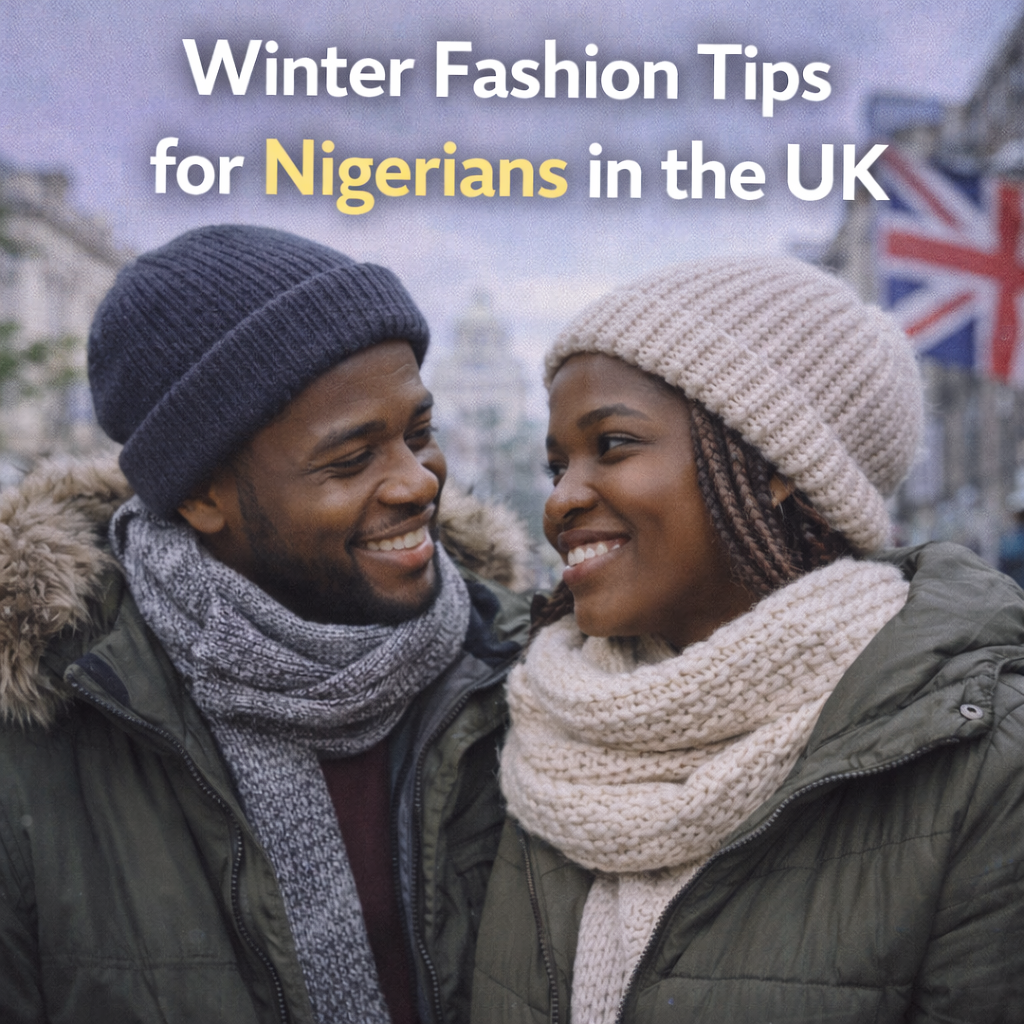
For many Nigerians arriving in the UK, winter comes as a shock not just because of the cold, but because of how relentless it feels. This is not the gentle harmattan breeze. It is the kind of cold that numbs your ears, stiffens your fingers and makes stepping outside without gloves feel like a personal mistake.
Beyond the weather itself lies another challenge: learning how to dress for winter without looking confused, overdressed or like you are bracing for survival. Nigerians are known for bold style, colour and confidence, but UK winter demands practicality. The key is learning how to blend both worlds.
Layering quickly becomes essential. Unlike Nigerian weather, UK temperatures can change rapidly between outdoors and heated indoor spaces. Wearing clothes in layers allows you to stay warm outside while remaining comfortable on buses, trains and in offices. A fitted inner layer traps heat, a middle layer adds insulation, and a solid outer layer protects against wind and rain. This approach keeps you warm without adding unnecessary bulk.
One of the biggest adjustments Nigerians make is learning the importance of a proper winter coat. A thick jacket is often not enough. In the UK, a good coat is an investment and a statement piece. Wool coats offer a clean, polished look that works well for work, church or formal outings. Puffer jackets are practical and popular for everyday wear, while parkas are ideal for wet and windy days that define much of the UK winter. Choosing quality over price often pays off, as a good coat can last several winters.
Footwear is another area where winter quickly exposes mistakes. UK pavements become slippery when wet or icy, making flat-soled shoes, slippers or light trainers impractical. Sturdy boots, waterproof trainers or leather shoes with good grip make a noticeable difference. Many Nigerians learn this lesson after one unexpected slip on a cold pavement.
Accessories may feel unfamiliar at first, but they are not optional. Scarves, gloves and hats are not fashion extras; they are winter essentials. A scarf keeps your chest warm and adds polish to an outfit. Gloves protect your fingers from painful cold, while hats prevent heat loss through your head. Choosing neutral colours helps these pieces blend seamlessly into your wardrobe.
Fabric choice also matters more than many newcomers realise. Some clothes simply do not retain heat well. Wool, fleece, knitted fabrics and thermal blends work far better in winter conditions. Thin cotton shirts or light fabrics may still be worn, but only when layered properly underneath warmer pieces.
Importantly, winter does not mean abandoning Nigerian style. Cultural expression can still shine through, even in cold weather. Ankara jackets, colourful scarves or layered dresses can add personality to neutral winter outfits. Wearing bold colours underneath a dark coat or pairing traditional patterns with boots allows you to stay warm while remaining proudly yourself.
Understanding British dressing habits also helps. In the UK, people dress for the weather first and the occasion second. A good coat is expected even for parties, and sunshine does not always mean warmth. While you may see people dressed lightly in winter, it is best not to follow their example. Checking the weather forecast before leaving home becomes second nature.
Over time, many Nigerians learn to avoid the “new arrival” winter look. Wearing too many hoodies instead of one quality coat, layering every accessory at once or dressing for extreme cold on mild days can make you stand out unnecessarily. Winter fashion in the UK is about balance, not excess.
Read Also: Why Everything Feels “Quiet” in the UK Compared to Nigeria
For those working in offices, winter workwear requires thoughtful adjustments. Wool trousers, layered shirts, smart jumpers and waterproof shoes help maintain a professional appearance without sacrificing warmth. Thermal undershirts can add comfort without changing how your outfit looks.
Building a simple, flexible winter wardrobe makes daily dressing easier. A small collection of reliable coats, jumpers, boots and accessories allows you to mix and match outfits without stress. Over time, you begin to understand what works best for your lifestyle.
Winter fashion is a skill Nigerians master gradually. The first winter often comes with mistakes, but experience brings confidence. You learn how to layer properly, invest wisely and adapt your personal style to the environment. Eventually, you stop fighting the weather and start dressing with ease.
In the end, dressing well in winter is not about copying anyone else. It is about understanding your surroundings while staying true to who you are. With time, Nigerians in the UK learn to look like they belong without losing their identity.

