
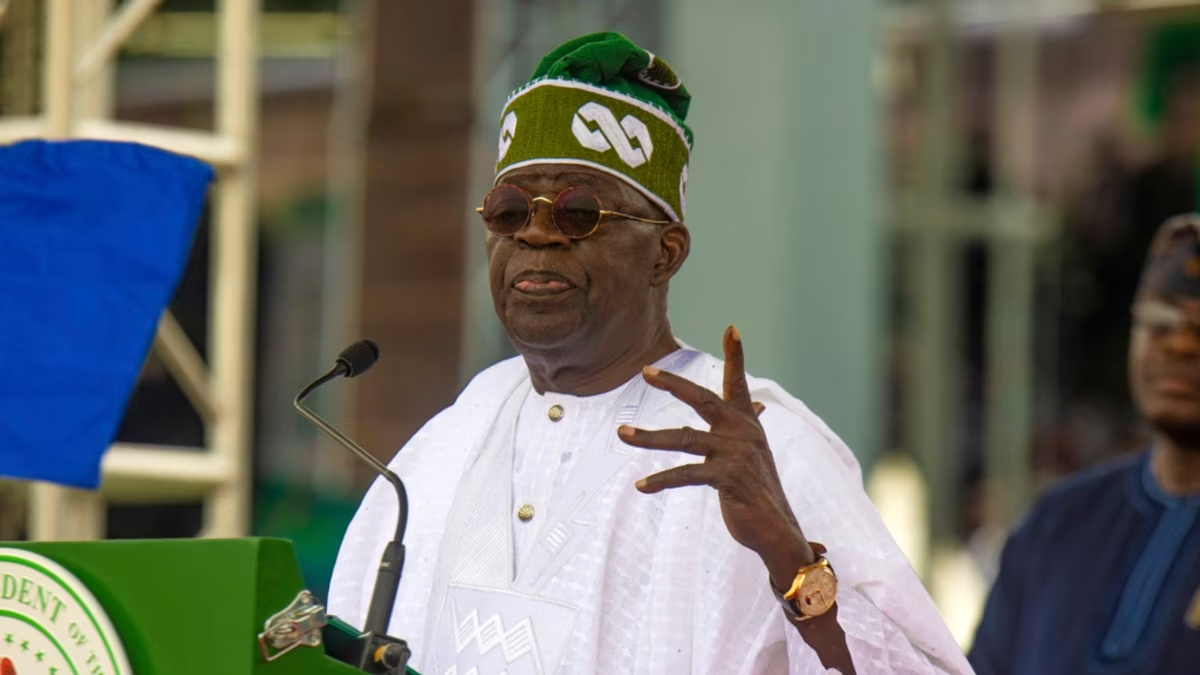
President Bola Tinubu has dispatched Vice President Kashim Shettima to Kebbi State to console families of the abducted schoolgirls and reassure them of their safe return. But critics argue the move is more symbolic than substantive, highlighting the government’s repeated failure to prevent such tragedies despite prior intelligence warnings.
Tinubu expressed sadness over the abduction of students from Government Girls Comprehensive Senior Secondary School, Maga, and the killing of Brigadier General Musa Uba alongside soldiers in Borno State. He offered condolences to the military and commended Kebbi Governor Nasir Idris for “efforts made to avert the kidnapping.” Yet observers note the contradiction: if intelligence had already flagged a possible attack, why were security measures insufficient to stop it?
The President urged communities to share information with security agencies, insisting that forces cannot succeed without local cooperation. However, critics say this amounts to shifting responsibility onto ordinary citizens rather than addressing systemic failures in Nigeria’s security architecture.
“As Commander-in-Chief, I am depressed with the tragic death of our soldiers… I am also depressed that heartless terrorists have disrupted the education of innocent schoolgirls,” Tinubu said, pledging swift action. But such assurances have become routine after every major attack, from Chibok in 2014 to Dapchi in 2018, with little evidence of lasting solutions.
The Kebbi abduction underscores Nigeria’s persistent inability to safeguard schools and vulnerable communities. Tinubu’s reliance on condolences, symbolic visits, and repeated calls for cooperation may do little to reassure families who continue to live under the shadow of insecurity.

