
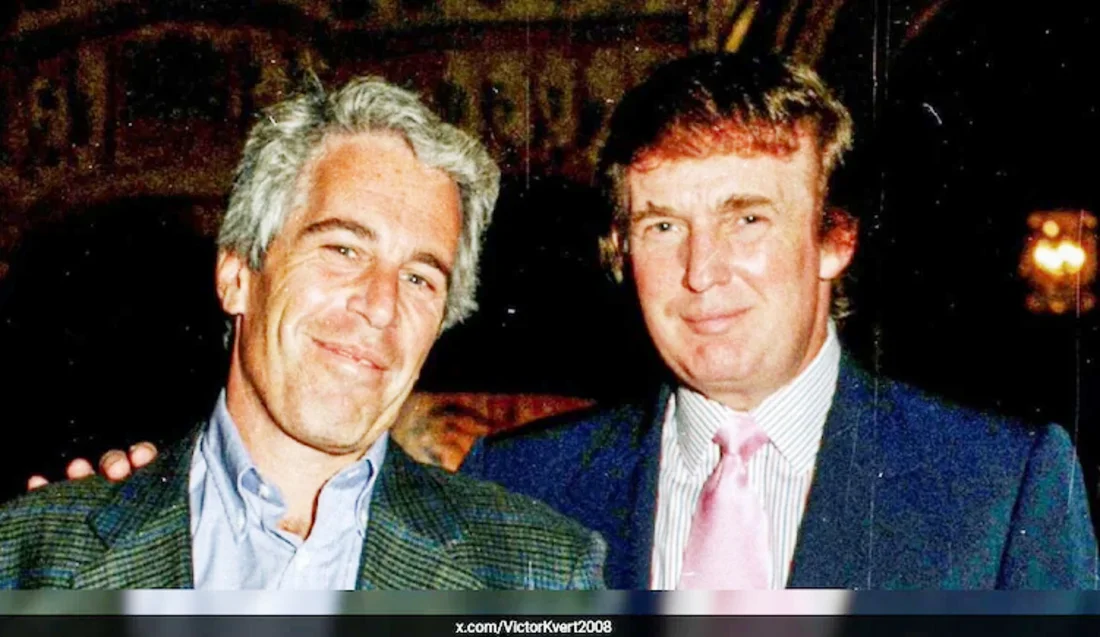
The U.S. Justice Department announced Friday it will pursue President Donald Trump’s demand to investigate Jeffrey Epstein’s connections to former Democratic President Bill Clinton and JPMorgan, as Trump sought to deflect scrutiny over his own past relationship with the convicted sex offender.
The decision comes two days after Congress released thousands of Epstein-related documents that renewed questions about Trump’s ties to the late financier. Attorney General Pam Bondi confirmed that Jay Clayton, Manhattan’s top federal prosecutor, will lead the probe.
Epstein’s scandal has long been a political liability for Trump, who once amplified conspiracy theories about the financier to his supporters. Many of Trump’s voters believe officials in his administration concealed Epstein’s links to powerful figures and details surrounding his 2019 death in a Manhattan jail.
Trump has previously directed the Justice Department against perceived political adversaries, including former FBI Director James Comey and New York Attorney General Letitia James, both of whom later faced charges after Trump replaced prosecutors overseeing their cases.
Legal experts warn such demands risk undermining prosecutions, with courts able to dismiss cases deemed “vindictive.” Former federal prosecutor Patrick J. Cotter called Trump’s orders “outrageously inappropriate,” adding, “That’s not how it’s supposed to work.”
Trump also asked investigators to examine former Treasury Secretary Larry Summers and LinkedIn founder Reid Hoffman, both mentioned in the 20,000 documents released by the House Oversight Committee this week. On social media, Trump insisted: “Epstein was a Democrat, and he is the Democrat’s problem, not the Republican’s problem!”
JPMorgan, which settled with Epstein’s victims for $290 million in 2023, said it regretted its past association but denied enabling his crimes. Clinton’s deputy chief of staff Angel Urena dismissed the allegations as “noise meant to distract.” Hoffman urged Trump to release all Epstein files, calling the investigation “political persecution.” Summers did not comment.
The Justice Department’s move contrasts with a July memo stating there was no evidence to justify investigations into uncharged third parties. That review found no incriminating “client list” and no credible proof Epstein blackmailed prominent individuals.
Trump, who socialized with Epstein in the 1990s and 2000s, says he severed ties before Epstein’s 2008 conviction for soliciting a minor. He has denied knowledge of Epstein’s abuse, though critics accuse his administration of a cover-up.
The Republican-led House is expected to vote next week on legislation compelling the Justice Department to release all Epstein-related material. The measure is likely to pass despite Speaker Mike Johnson’s efforts to block it.
Polls show Trump faces skepticism even among Republicans: only four in ten approved of his handling of the Epstein files in October, compared with nine in ten who backed his overall performance.
Epstein’s network included numerous high-profile figures, from Clinton and Summers to Prince Andrew, who lost his royal title partly due to his association with the financier. Clayton, a political independent and former SEC chair under Trump, will oversee the new investigation.