
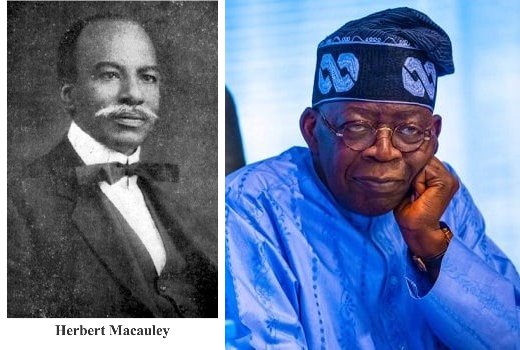
he family of Nigerian nationalist and independence icon Herbert Macaulay has publicly rejected a posthumous state pardon granted to their patriarch, expressing outrage over the inclusion of his name alongside individuals accused of drug trafficking and murder.
In a statement issued Friday, the Macaulay family described the gesture as “deeply disrespectful,” arguing that the revered statesman’s legacy should not be diluted by association with criminal figures. The pardon, announced earlier this week as part of a broader government clemency initiative, included a list of deceased individuals whose names were cleared of past convictions or allegations.
“We were shocked to see our father’s name listed among drug barons and convicted murderers,” the family said. “Herbert Macaulay was a pioneer of Nigerian nationalism, a man of integrity and vision. His name should never be placed in the same category as those who brought harm to society.”
The posthumous pardon was intended to symbolically rehabilitate historical figures and promote national reconciliation. However, critics argue that the lack of distinction between political activists and criminal offenders undermines the credibility of the initiative.
Herbert Macaulay, who died in 1946, is widely regarded as one of the founding fathers of modern Nigeria. He played a central role in the anti-colonial movement and was instrumental in shaping early nationalist discourse. His contributions to civil rights, journalism, and political organization remain foundational to Nigeria’s democratic evolution.
The family called on the government to issue a formal clarification and remove Macaulay’s name from the controversial list. “We do not seek a pardon for a man who committed no crime,” the statement read. “We seek respect for a legacy that helped birth a nation.”
Government officials have yet to respond to the family’s concerns, but the controversy has sparked renewed debate over how historical figures are remembered and honored in Nigeria’s political landscape.

