
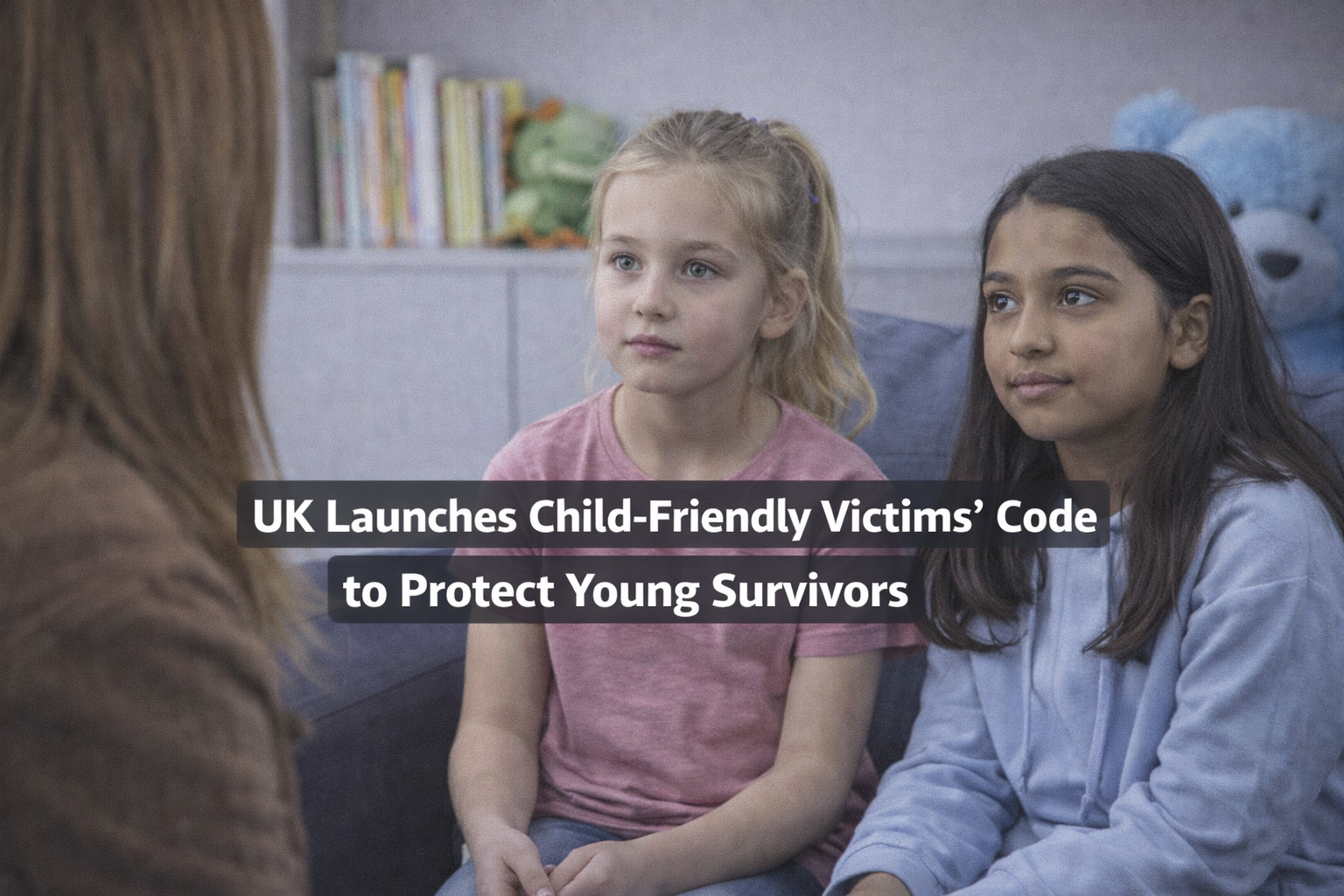
For many children who experience crime in the UK, the trauma doesn’t end with what happened to them. It often deepens when they are pulled into a justice system they don’t understand, surrounded by unfamiliar language, processes and adults making decisions on their behalf. The government says it wants to change that.
On Wednesday, 5 February, ministers unveiled plans for a new and improved Victims’ Code, including the first-ever child-friendly version designed specifically to help children and young people understand their rights and know where to turn for help after a crime.
The move is being positioned as a major step towards making the criminal justice system less intimidating for young victims, particularly those affected by crimes such as domestic abuse and sexual violence, where silence, fear and confusion often prevent children from getting the support they need.
For diaspora families, including African, Caribbean and migrant communities where conversations about abuse can be heavily stigmatised, the changes could be especially significant. Many children grow up navigating not only the justice system, but also cultural expectations that discourage speaking out.
Making rights real for children, not just written in law
At the heart of the reforms is a commitment to develop a child-friendly Victims’ Code, written in clear, age-appropriate language and shaped directly by young people and experts. The aim is to explain, in simple terms, what rights a child has as a victim of crime, including their right to be referred to support services or to seek help themselves.
Government figures say too many children currently do not know who to talk to after a crime or what help is available to them. Others feel lost in a system that often speaks over them rather than to them. The new Code is meant to change that dynamic, giving children clearer information from the moment a crime is reported through to trial and beyond.
Under the proposals, children aged 12 and above would have more direct contact with police and probation officers, alongside their parents or carers. Ministers say this is about recognising young people’s dignity, autonomy and lived experience, while still ensuring they are safeguarded.
The government hopes that clearer rights and better communication will also encourage more victims to stay engaged with their cases, knowing they are supported at every stage.
Why this matters for diaspora and migrant families
In many diaspora households, there is deep mistrust of authorities, often shaped by experiences in countries where police and courts are feared rather than trusted. Children growing up in these homes may be even less likely to speak up after abuse, especially if they believe it will bring shame on their family or lead to consequences they don’t understand.
By explicitly setting out children’s rights and explaining how the system works, the government says it wants to reduce fear and confusion. Campaigns like “Understand Your Rights”, which will run across England and Wales, are designed to show that the Victims’ Code applies to every victim, regardless of background, culture or immigration status.
Deputy Prime Minister David Lammy acknowledged how overwhelming the justice system can be for children, describing it as a “matrix” even for adults to navigate. He said the proposed changes are about ensuring children are drivers of their own journey to justice, rather than passive observers in a process happening around them.
Stronger accountability and better treatment for all victims
The proposed reforms go beyond children alone. For all victims, the updated Victims’ Code would introduce new core principles and require better training across the justice system to improve how agencies communicate with victims.
Compliance with the Code is already enshrined in law, but the government says enforcement has been inconsistent. Under the strengthened framework, the Victims’ Commissioner will have greater powers to hold agencies to account if they fail to meet the required standards without good reason.
Children’s Commissioner Dame Rachel de Souza said too many children currently find the justice system bewildering or even traumatising. She welcomed the clearer articulation of children’s rights and the recognition that young victims have different needs from adults. She also stressed the importance of listening to children during the consultation process so their real experiences shape the final Code.
Victims’ Commissioner Claire Waxman echoed those concerns, saying victims’ rights are not optional and that inconsistent delivery has left too many people feeling sidelined. She described the consultation as a crucial opportunity to rebuild trust and ensure victims’ experiences are placed at the heart of the justice system.
Part of a wider push to protect women and children
The announcement comes amid a broader set of government actions aimed at tackling violence and abuse. These include the launch of a new Violence Against Women and Girls strategy, changes to family court rules to prioritise child safety, and plans to review guidelines that have led to the criminalisation of children in care.
Ministers have also committed to removing parental responsibility from individuals convicted of serious sexual offences against children and in cases where a child is born as a result of rape.
Taken together, these measures signal a stronger focus on safeguarding, accountability and survivor-centred justice.
What happens next
A three-month public consultation on the proposed changes to the Victims’ Code will run from February to April on the government’s website. The Code applies to all victims of crime, whether or not they choose to report what happened to them, and children are defined as anyone under the age of 18.
The government says the updated Code will clearly set out a child’s right to be understood and to receive services tailored to their needs, to have crimes recorded promptly, to receive information at every stage of the process, to access support and compensation, to make a victim impact statement, to be informed about court proceedings and outcomes, and to complain if their rights are not met.
For families across the UK’s diverse communities, the reforms could mark an important shift. A justice system that speaks to children in language they understand, recognises their cultural realities and treats them with dignity may not erase trauma, but it can make recovery and accountability more possible.
Chijos News will continue to follow how these changes affect diaspora families and young people navigating life, culture and justice in modern Britain.