
For thousands of victims across England and Wales, justice has often felt painfully slow, trapped in a system weighed down by backlogs, ageing buildings and years of underinvestment. For many in diaspora communities, these delays have compounded an already fragile trust in the legal system, particularly for those navigating language barriers, immigration concerns or unfamiliar court processes.
That may now be starting to change.
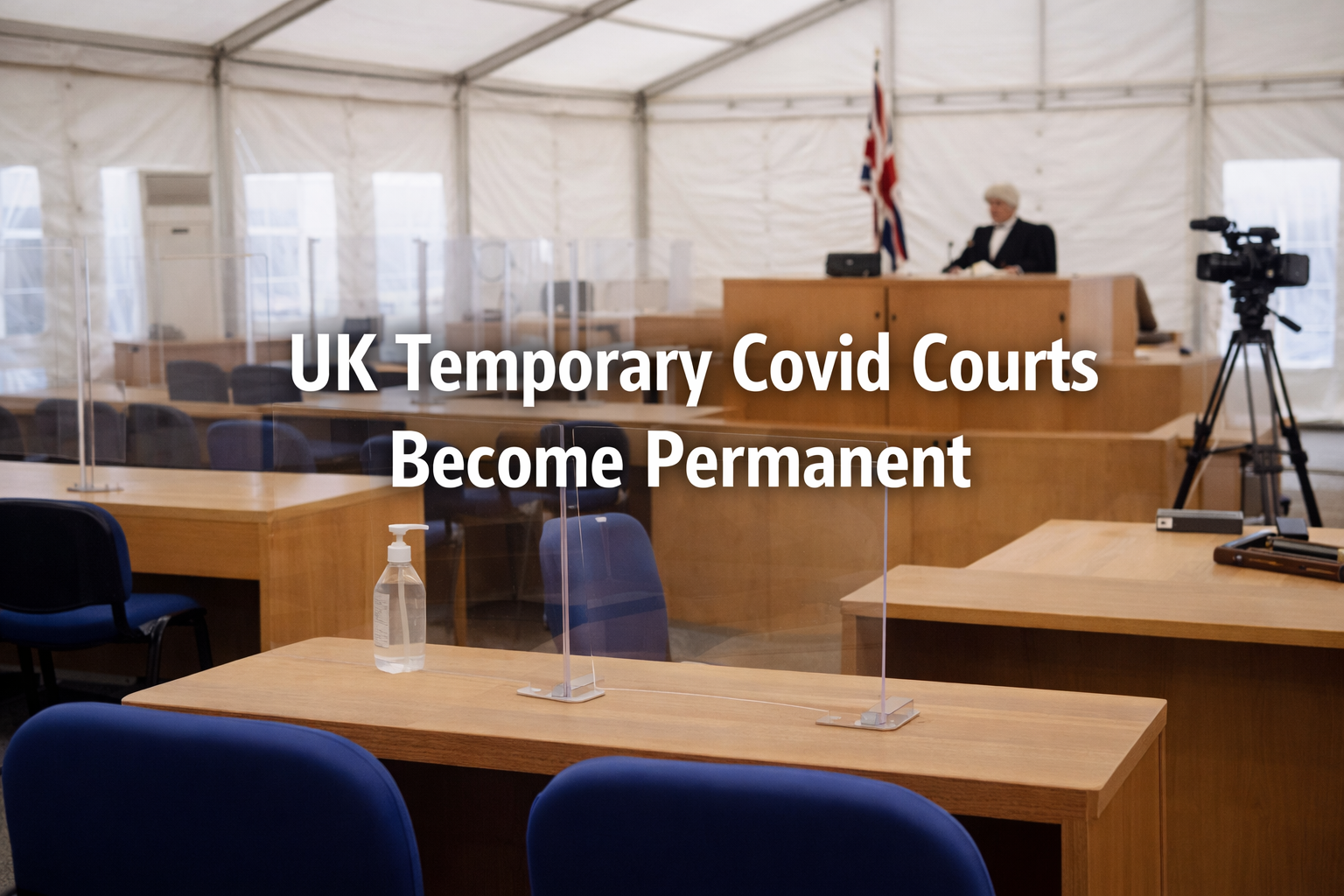
The government has confirmed a significant expansion of the court estate that will see several former Nightingale Courts move from temporary status to permanent fixtures within the justice system. Court buildings in Fleetwood, Telford, Chichester and Cirencester, originally brought into use during the Covid-19 pandemic, will now become established parts of the court network.
This decision secures 11 additional courtrooms in areas where capacity is most urgently needed. The extra space will be used across criminal, family and civil cases, helping to reduce backlogs and shorten the time victims and families wait for their day in court.
For communities that have often waited years to see cases resolved, this expansion is more than an infrastructure upgrade. It represents a step towards restoring confidence in a justice system many feel has moved too slowly for too long.
The announcement comes as Courts Minister Sarah Sackman visited the site of the new London Law Courts, a major development that is expected to open next year. The state-of-the-art building is being positioned as a model for a more modern, transparent and efficient justice system. When complete, it will provide 18 new courtrooms capable of hearing Crown, magistrates’ and civil cases in the heart of London.
For many diaspora families living in the capital, long journeys to overcrowded courts and repeated adjournments have become a familiar frustration. The new London Law Courts aim to ease some of that pressure by increasing capacity where demand is highest.
By bringing former Nightingale Courts into the core estate, the government has also opened the door to long-term investment in these buildings. As permanent courts, they will now qualify for future modernisation, including upgrades to infrastructure and digital technology. This is expected to improve how cases are managed, reduce administrative delays and create a more accessible experience for victims, witnesses and court users.
Courts Minister Sarah Sackman KC MP described the move as the end of a temporary era and the beginning of a lasting investment in justice. She said making these courtrooms permanent would help deliver faster justice and give much-needed clarity to victims, as well as stability for the staff who keep the system running. She also acknowledged that investment alone is not enough, pointing to the need for wider reforms to stabilise a system she said was inherited on the brink of collapse.
The decision also marks the formal end of the Nightingale Courts initiative. At its peak in July 2021, the scheme saw 60 temporary courtrooms operating out of hotels, conference centres and office buildings across the country to keep the justice system moving during the pandemic.
Alongside expanding the estate, the government says it is backing the changes with significant funding. This year, £148.5 million is being invested in repairing and upgrading courts across England and Wales. The funding is aimed at tackling long-standing maintenance problems, reducing delays caused by ageing infrastructure and improving conditions for everyone who relies on the courts.
Ministers have also increased funding for Crown Courts to sit a record 111,250 days in the current financial year. More sitting days mean more hearings, fewer postponements and quicker outcomes for victims who have already waited too long.
Further reforms are also on the horizon. The Deputy Prime Minister has announced a package of changes designed to bring down the Crown Court caseload, with legislation expected when parliamentary time allows.
For Chijos News readers and diaspora communities, these developments matter because justice delayed has often felt like justice denied. Whether in criminal cases involving violence, family disputes that stretch on for years, or civil matters affecting livelihoods and immigration status, delays hit the most vulnerable the hardest.
While challenges remain, the move to make these courts permanent sends a clear signal. The justice system is being reshaped not just to cope, but to function better for the people who depend on it. For victims who have waited in limbo, and for communities that have long demanded fairness and accountability, faster justice is no longer just a promise, but a growing possibility.

